Key facts
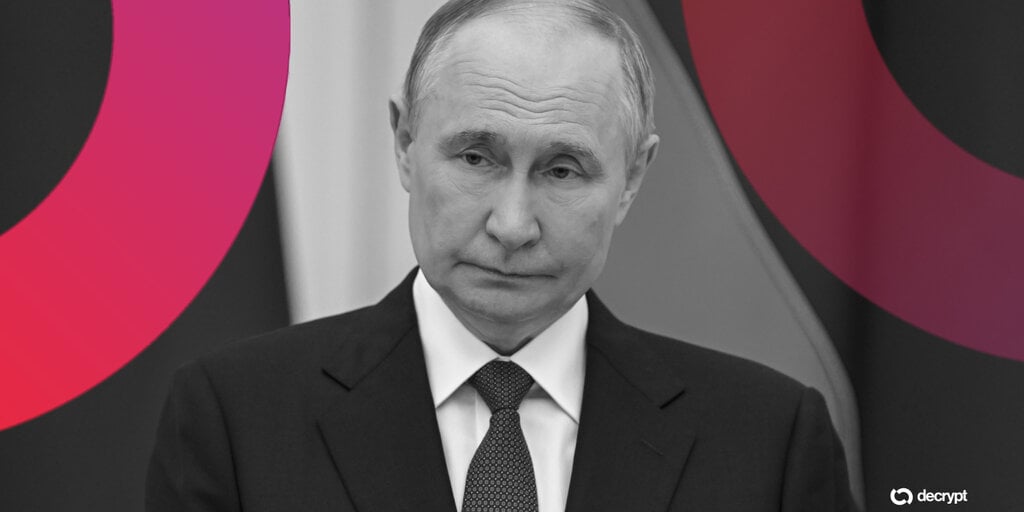
- Russia's first comprehensive crypto law, signed by President Vladimir Putin, establishes rules for exchanges, custodians, brokers, and mining.
- The law permits crypto trading but maintains a ban on using digital assets for payments for goods and services.
- Only registered firms meeting capital and self-regulatory requirements can operate exchanges after July 1, 2027.
- Retail investors face an annual purchase limit of 300,000 rubles per intermediary for approved cryptocurrencies.
- Core provisions of the law become effective on September 1, 2026.
- The Bank of Russia will oversee the regulated crypto market.
Russian President Vladimir Putin has signed the country's first comprehensive law governing digital currencies, establishing a regulated framework for exchanges, custodians, brokers, and mining operations. The legislation, which officially takes effect with core provisions on September 1, 2026, aims to bring order to the crypto market while maintaining a ban on using digital assets for payments for goods and services within Russia. Only organizations that meet specific capital requirements and join a self-regulatory body will be permitted to operate crypto exchanges after a grace period ending July 1, 2027. Retail investors will face annual purchase limits for approved cryptocurrencies, while qualified investors will have fewer restrictions after passing a knowledge test. The Bank of Russia is tasked with overseeing the regulated market and determining which digital assets licensed intermediaries can offer. The law also permits settlements under foreign trade contracts involving mined coins and payments within digital asset platforms, a carve-out that Western regulators will monitor.