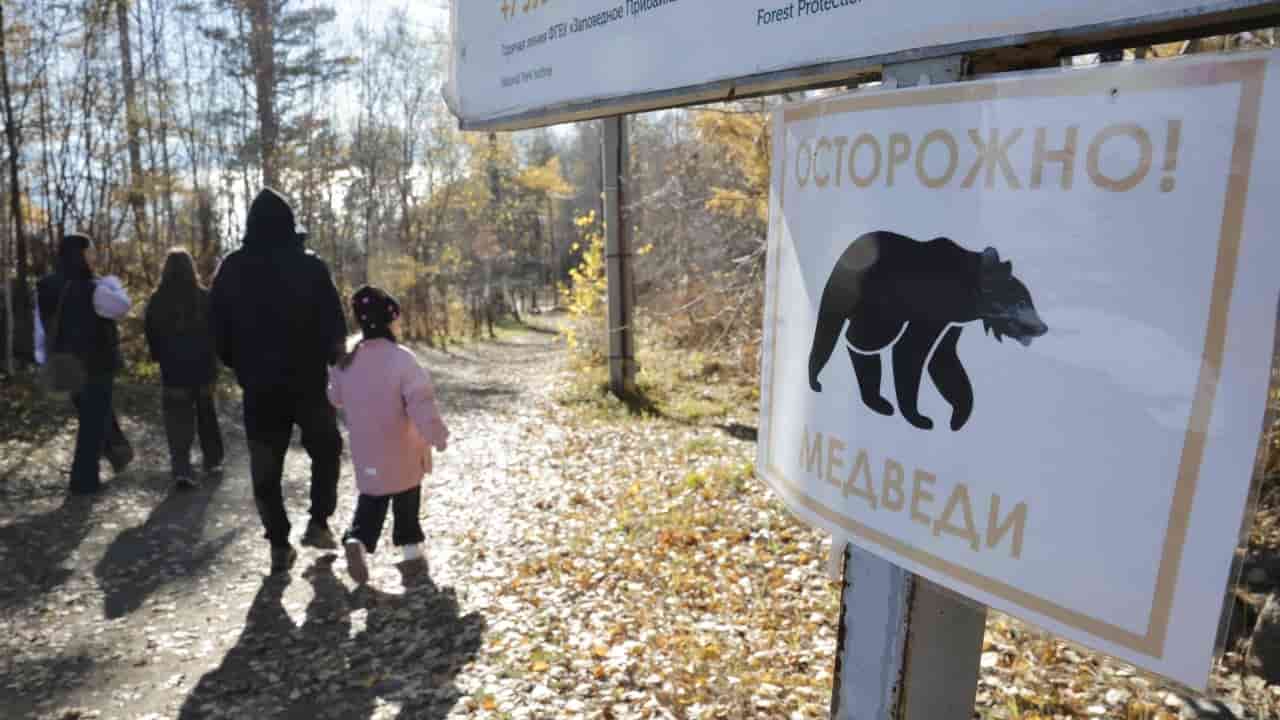
Key facts
- Over 3,000 bears culled in Russia due to increased attacks.
- At least 16 fatal bear encounters recorded in September.
- Experts cite poor natural food supply and habitat disruption as causes.
- Krasnoyarsk region reported the highest number of fatalities.
- Hunters declared open season on bears from October 12.
Russian authorities have culled over 3,000 bears following an alarming increase in deadly attacks across Siberia. At least 16 fatal encounters were reported in September, a significant rise compared to the typical 20 to 30 attacks annually. Bears have been observed venturing into populated areas in over 40 regions, with the Krasnoyarsk region experiencing the highest death toll.
Experts attribute the surge to a combination of factors, including a poor autumn crop of pine nuts and berries, extensive wildfires that have destroyed bear habitats, and accessible food waste. Bears are increasingly searching for food as they prepare for winter hibernation, leading to more inevitable encounters with humans.
Hunters across Siberia have declared an open season on bears starting October 12 in response to the escalating situation.