Key facts
- About 18% of U.S. adults were using GLP-1 medications in spring 2026, up from 14% in 2025.
- GLP-1 drug use has contributed to a reduction in reported obesity rates among U.S. adults.
- GLP-1 users are buying less volume of snacks, sweet bakery goods, and soft drinks, but spending on these items remains strong due to premiumization.
- Restaurants are experiencing fewer orders and higher costs due to reduced diner appetites.
- Restaurants are adjusting menus, portion sizes, and ingredient cross-utilization to offset reduced check averages.
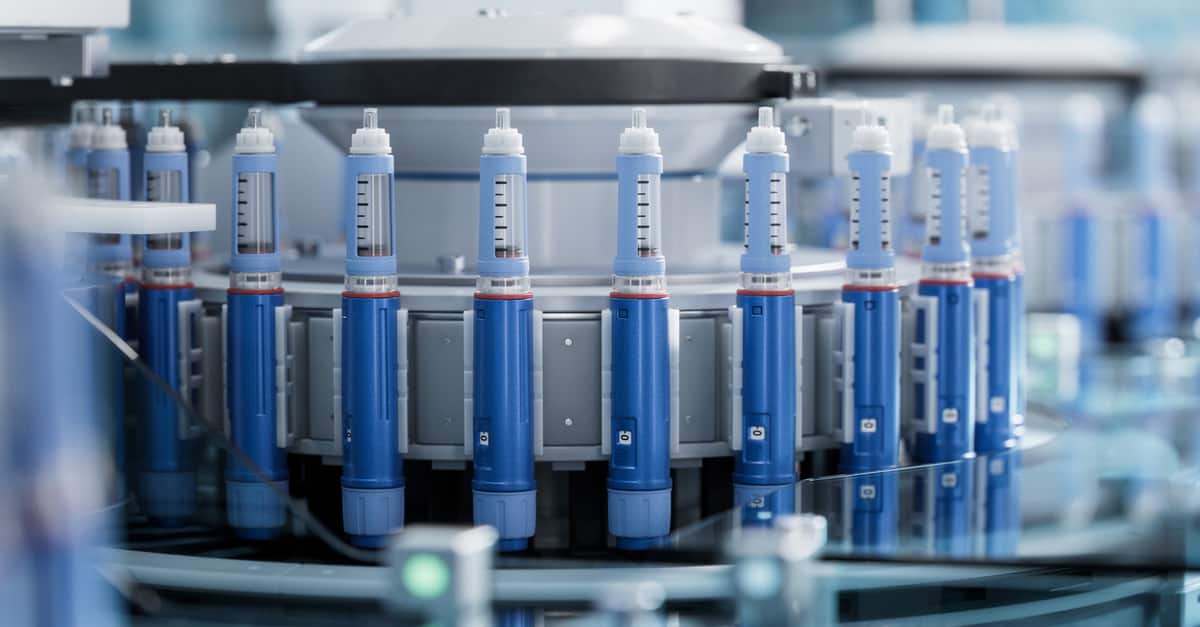
Restaurants are facing a significant challenge as the increasing use of GLP-1 weight-loss medications leads to reduced food and beverage consumption among diners. FTI Consulting's research indicates that approximately 18% of U.S. adults were using these drugs in spring 2026, a rise from 14% the previous year, contributing to a decrease in obesity rates. This trend is reshaping consumer purchasing habits, with GLP-1 users buying less volume of items like chips, cookies, and soft drinks, while shifting spending towards fewer, higher-quality, and often more expensive products.
The impact extends to grocery stores, where categories like frozen foods and sugary drinks are contracting in dollar spend among GLP-1 users. Conversely, fresh produce, meat, fish, seafood, yogurt, eggs, and vitamins are seeing increased sales. The preference for smaller, more frequent meals among GLP-1 users is also influencing demand for portion-controlled, protein-forward formats.
Restaurants are responding to these shifts by adjusting menus and portion sizes. Strategies include offering smaller menus to reduce ingredient costs and waste, and modifying meal compositions by reducing protein portions and increasing vegetables, which can also allow for a slight price reduction while potentially increasing contribution margin. Additionally, a decline in alcohol consumption among GLP-1 users is leading to a greater focus on low and non-alcoholic beverage options.