Australia Core Inflation Slows in Q2, Easing Rate Hike Pressure
IN SHORT
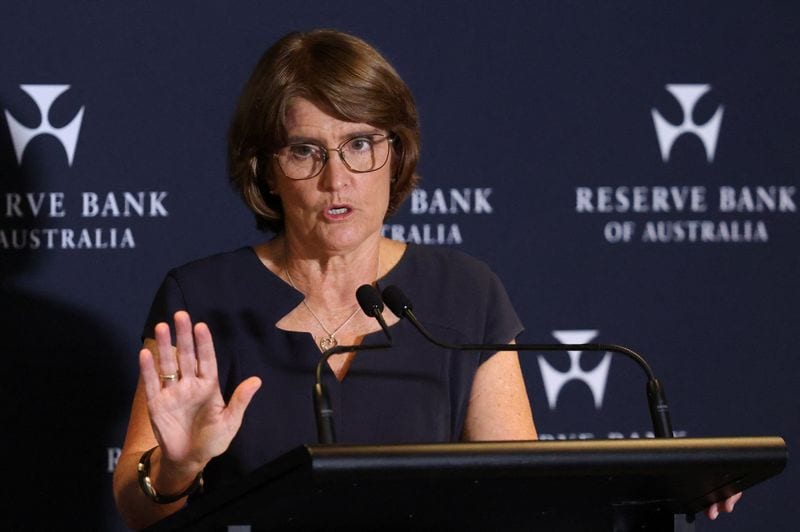
Australia's core inflation eased in the June quarter, undershooting forecasts and potentially reducing the need for further interest rate hikes by the Reserve Bank of Australia (RBA). Governor Michele Bullock remains uncertain if current measures are sufficient to curb inflation.
Key Numbers
0.8%June quarter core inflation increase
3.6%Annual core inflation rate
4.0%Annual CPI inflation rate
0.6%June quarter CPI increase
2%-3%RBA inflation target band
Who's Involved
Michele Bullock
Governor of the Reserve Bank of Australia
Reserve Bank of Australia
Central bank monitoring inflation and interest rates
Australian Bureau of Statistics
Agency that released the CPI data
↳ Why This Matters
The slight easing in Australia's core inflation could influence the Reserve Bank of Australia's future monetary policy decisions, potentially delaying or preventing further interest rate hikes and impacting the broader economy.