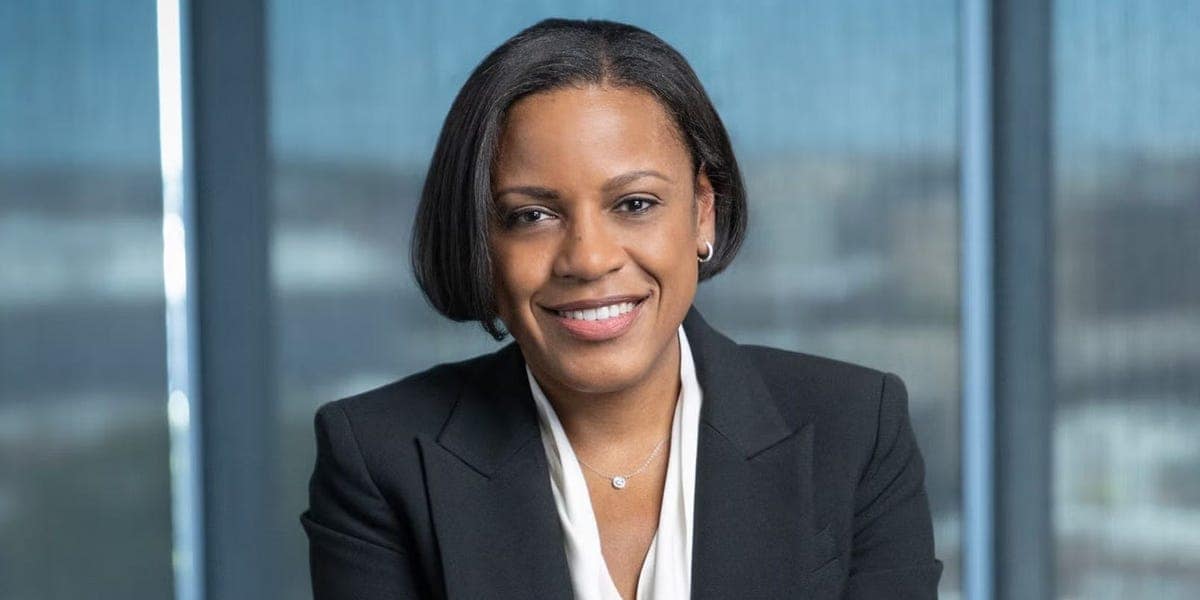
Clients are increasingly expecting professional services firms to deliver consulting work at a significantly faster pace, with timelines potentially halved compared to a year ago, according to Jeanelle Johnson, managing partner of PwC's Washington DC area office. This acceleration is largely attributed to the growing capabilities of artificial intelligence tools.
Johnson stated that clients are asking for outcomes to be delivered more rapidly, noting that tasks previously estimated to take eight to 10 weeks are now expected to be completed in approximately half that time. She clarified that this expectation is more focused on accelerating pilots and proofs of concept rather than entire project completions.
The integration of AI into consulting workflows is becoming a key factor, with clients anticipating that these tools will enhance efficiency. Johnson leads over 2,200 consulting and accounting professionals in her role at PwC's DC office and acknowledged that her teams are working to meet these compressed delivery demands.
Top professional services firms, including PwC, Deloitte, KPMG, EY, McKinsey, BCG, and Accenture, are actively incorporating AI into their operations. This includes developing internal AI tools and training staff to leverage AI for tasks such as market research, due diligence, and brainstorming. McKinsey's Kate Smaje noted that AI has already reduced early problem-solving cycles from a week to an hour.
Employees at firms like Deloitte and EY have reported substantial time savings on specific tasks due to AI, with coding tasks falling from days to minutes and due diligence being completed in a day instead of two weeks. This shift is also prompting discussions about how traditional pricing models, which are heavily reliant on human labor, will need to adapt.
Johnson emphasized that faster delivery does not equate to less work, but rather a change in how consultants allocate their time, allowing for more focus on higher-value activities. She also highlighted that the complexity of client challenges has increased, with businesses now navigating a confluence of geopolitical tensions, wars, tariffs, and macroeconomic uncertainty simultaneously, a broader scope than in the past.