Key facts
- Philippine lawmakers are advancing a bill to curb online disinformation.
- The bill, House Bill No. 9465, passed the House of Representatives in June.
- Convicted individuals face six to 12 years in prison and fines up to P2 million ($32,575).
- AI-generated images, video, and audio are covered by the bill.
- Critics warn the bill could threaten press freedom and give authorities excessive discretion.
- The bill is being prioritized amid concerns over troll farms, bot networks, and foreign influence operations.
Philippine lawmakers are moving forward with a bill designed to combat online disinformation, though critics express concerns that it could infringe upon freedom of speech and the press. House Bill No. 9465, known as the Digital Media Anti-False Information Act, has passed the House of Representatives and is now under consideration in the Senate.
The bill proposes penalties of six to 12 years in prison and fines of up to P2 million (approximately $32,575) for individuals convicted of knowingly creating, financing, directing, or materially assisting false information that causes verifiable public harm or poses a serious threat to national security. The legislation also covers undisclosed AI-generated images, video, and audio.
Lawmakers have prioritized the bill amid worries about coordinated troll farms, bot networks, election-related misinformation, health falsehoods, deceptive AI media, and potential foreign influence operations. Recent events, including a raid on a suspected online scam center and reports of Chinese-linked money transfers to a company connected to Vice-President Sara Duterte-Carpio’s family, have fueled national security concerns.
However, AI experts and academics warn that the bill could create a "chilling effect" and "prior restraint" by focusing on content rather than the behavior driving disinformation at scale. Carl Javier, executive director of Data and AI Ethics PH, suggested that accountability should shift towards platforms that allow content violating their rules to circulate or whose algorithms amplify misleading material. He argued that focusing on behavior would direct scrutiny towards coordinated disinformation operators rather than individual users.
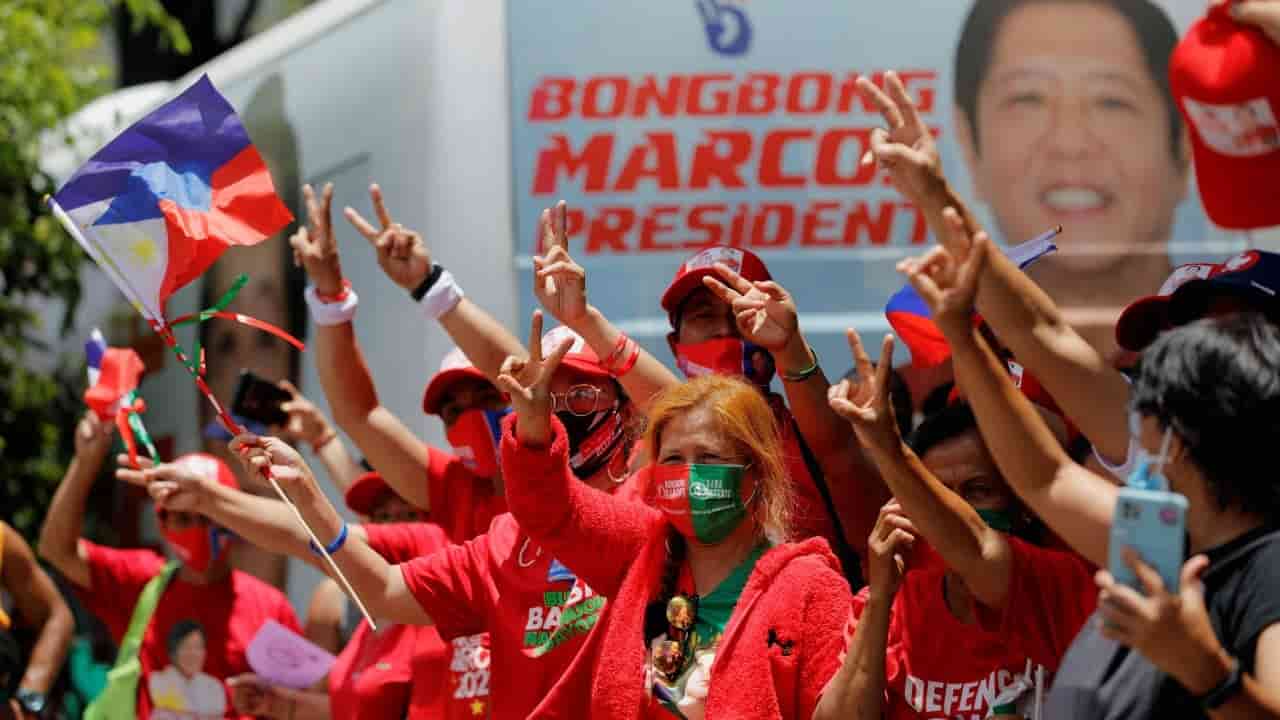
Macel Ingles, chairperson of the National Union of Journalists of the Philippines, echoed these concerns, stating that the measure could threaten press freedom by granting authorities excessive discretion in determining the truthfulness and harmfulness of online information. Critics also noted the sensitivity of such legislation in the Philippines, given past instances where existing laws have been used against journalists and government critics, and President Ferdinand Marcos Jr.'s own history with online disinformation campaigns prior to his 2022 election.