
Key facts
- PepsiCo faces pressure to meet growth and margin targets set after Elliott Investment Management took a stake.
- The rise of GLP-1 weight-loss drugs is impacting demand for salty snacks and sugary drinks.
- PepsiCo's first-half core operating margin was 16.3% of revenue, down 15 basis points year-on-year.
- The company aims for a 100-basis-point margin uptick over three years, a target set after discussions with Elliott.
- PepsiCo's shares have fallen nearly 12% this year and 16% since Elliott's investment.
- Analysts expect third-quarter revenue to rise 4.3% to $24.96 billion.
PepsiCo is facing increasing pressure to achieve its growth and margin targets, a challenge amplified by the growing influence of GLP-1 weight-loss drugs on consumer eating habits. The company set these targets after activist investor Elliott Investment Management acquired a significant stake approximately a year ago.
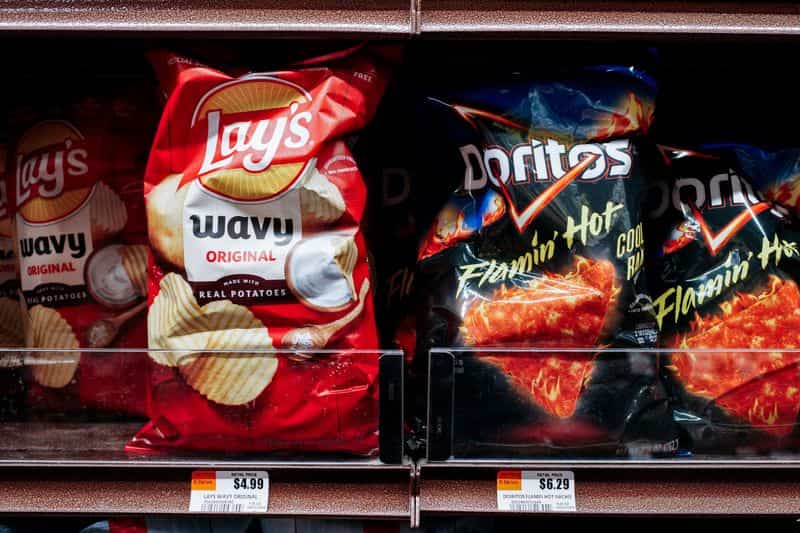
Analysts and investors are closely monitoring PepsiCo's North America business, which has seen volume contractions due to elevated input costs, partly attributed to the Iran war, and persistent inflation impacting consumer spending. Despite productivity savings and price adjustments, including a 15% cut on products like Lay's and Doritos in February, PepsiCo's core operating margin decreased by 15 basis points in the first half of the year, reaching 16.3% of revenue. This is contrary to the December target of a 100-basis-point increase over three years, which was established following discussions with Elliott.
Food producers globally are responding to the GLP-1 trend by developing healthier, reformulated products. PepsiCo has introduced items such as Doritos Protein and SunChips Fiber. However, the market is reflecting this shift, with valuations for food companies, including PepsiCo, narrowing. PepsiCo's enterprise value has fallen to 10 times its EBITDA, a significant drop from 18 times in mid-2022, while rival Coca-Cola has seen its valuation increase.
Investors are seeking evidence of returning volumes and a halt to the decline in North American snack margins. Analysts note that PepsiCo's extensive efforts in its US Frito-Lay business have not met expectations, with sales remaining flat and market share being lost. Analysts anticipate a 4.3% rise in third-quarter revenue to $24.96 billion and a modest increase in adjusted earnings per share. Some analysts believe a recent pivot to raise US chip prices, after previously lowering them, may be a sensible strategy if volume increases are not achieved through price cuts.