Key facts
- Pakistan is mediating to revive stalled US-Iran negotiations under the Islamabad MoU.
Pakistan is mediating to restart stalled Iran-US negotiations, urging both sides to resume talks under the Islamabad MoU. Iran blames US actions for the Strait of Hormuz closure, while the US insists Iran's nuclear program must be addressed upfront.
The mediation efforts are crucial for de-escalating regional tensions and ensuring the stability of global energy markets, which are significantly impacted by disruptions in the Strait of Hormuz.
Pakistan is intensifying diplomatic efforts to revive stalled negotiations between Iran and the United States, aiming to bring both parties back to the table under a previously agreed memorandum of understanding. This push comes amid heightened geopolitical tensions in the Middle East and significant disruptions to shipping through the Strait of Hormuz.
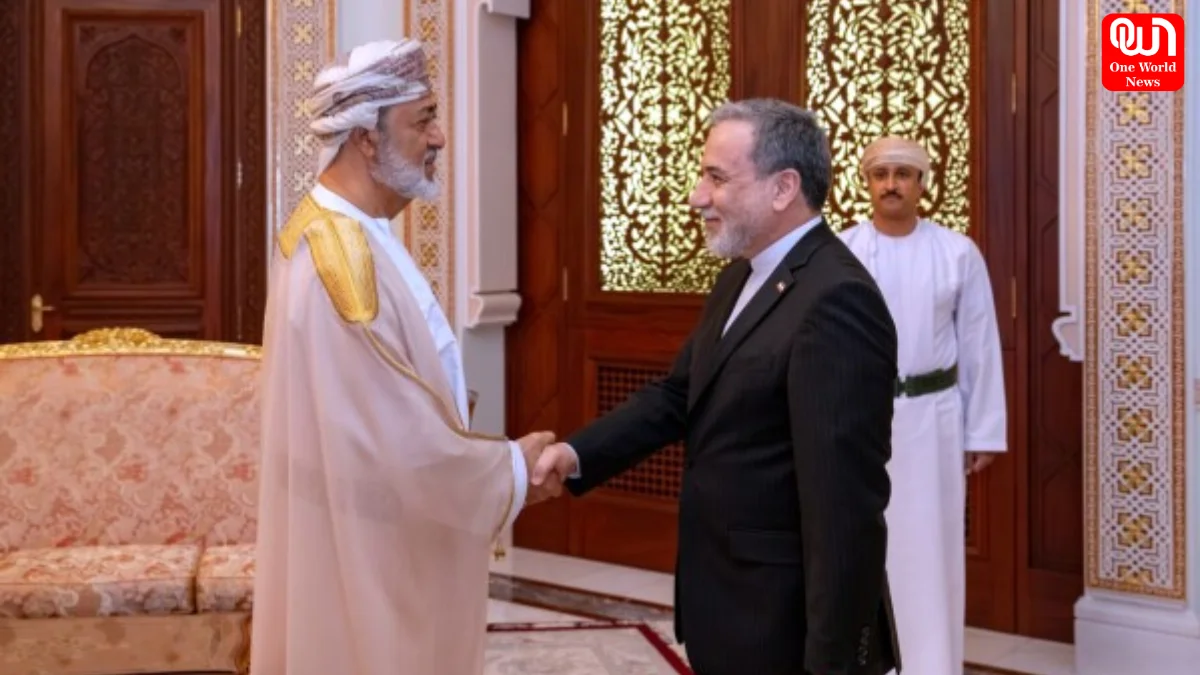
Iran's Foreign Ministry spokesperson, Esmaeil Baghaei, stated that Iranian and Omani officials have held several rounds of discussions since talks began last week, including further meetings on Thursday. Baghaei blamed US and Israeli military operations for destabilizing the vital waterway, asserting that the Strait of Hormuz is closed due to American actions and the insecurity imposed on it.
Reports indicate that Iran is developing a revised proposal focused on de-escalation measures, such as reopening the Strait of Hormuz and easing military tensions, while postponing more contentious nuclear discussions. However, the United States has expressed skepticism, maintaining that Iran's nuclear ambitions must be addressed upfront for any agreement to be considered.
The situation has been further complicated by ongoing military actions, with Iran attacking a tanker and the US conducting airstrikes, leading to a significant increase in oil prices. Iran's Interior Minister Eskandar Momeni met with Pakistan's army chief, Field Marshal Asim Munir, as part of these diplomatic efforts, and was also expected to meet Prime Minister Shehbaz Sharif. The ongoing conflict has disrupted shipping through the Strait of Hormuz, through which a substantial portion of global oil and natural gas is traded, and has pushed oil prices to nearly $90 a barrel.