Key facts
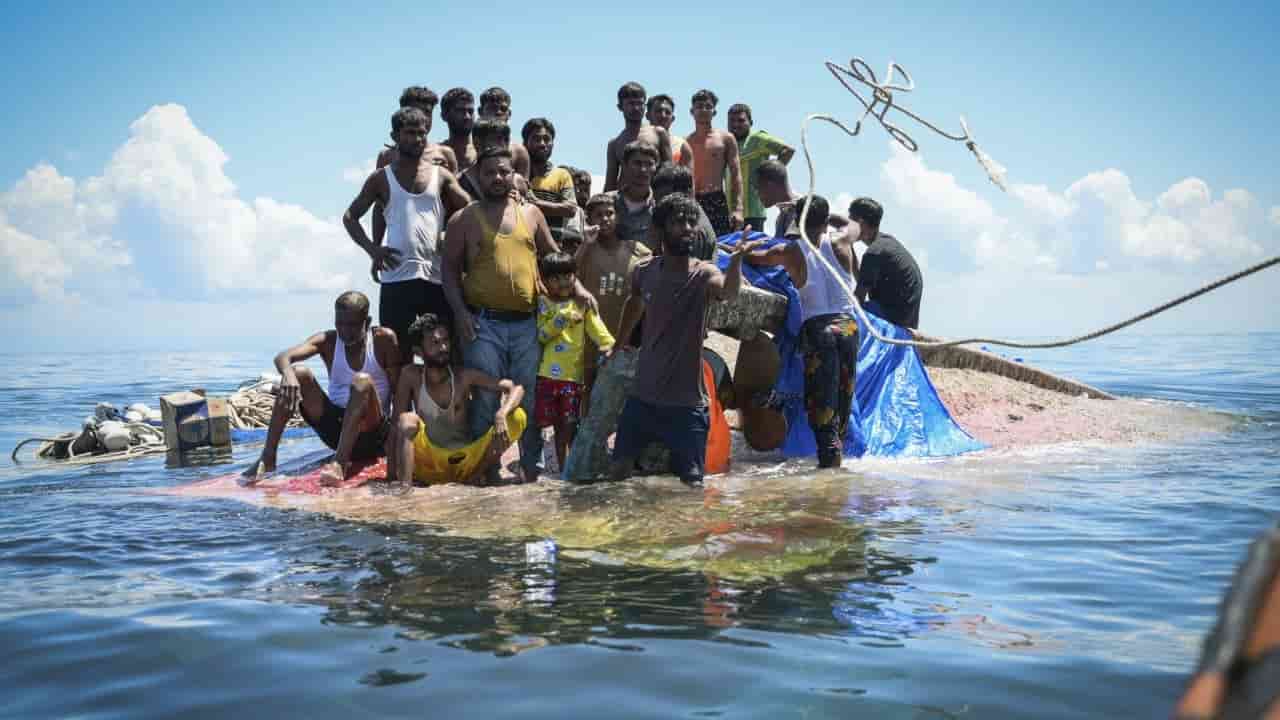
- Two boats carrying an estimated 530 Rohingya asylum seekers are believed to have capsized off Myanmar's coast since late June.
- The refugees were attempting to flee intolerable conditions in Rakhine State and overcrowded camps in Bangladesh.
- One boat lost contact shortly after departing from Sin Tet Maw, a village in Rakhine State.
- A second boat is believed to have sunk several days into its journey south-east.
- UN agencies, including the IOM and UNHCR, are investigating the incidents and fear a significant loss of life.
Two boats carrying an estimated 530 Rohingya asylum seekers are believed to have capsized off Myanmar's coast since late June, with UN agencies fearing a devastating loss of life. The refugees had departed from Myanmar's Rakhine state, a region embroiled in conflict between the Myanmar military and the insurgent Arakan Army, and were likely heading towards Malaysia.
Chris Lewa, director of the Arakan Project, which advocates for Rohingya rights, has been piecing together information about the missing boats. She believes both vessels, one departing in the morning and the other later in the day on June 29, likely capsized due to rough seas during the monsoon season and the unseaworthy nature of the converted fishing trawlers. Families have not heard from the passengers, who normally would expect contact within 10 days. The recovery of one woman's body by Bangladeshi authorities and several other bodies by fishermen nine days later supports the theory of capsizing.
The dire conditions for the Rohingya population, with over a million in overcrowded camps in Bangladesh facing dwindling aid and lack of jobs, and an estimated 600,000 remaining in Rakhine State caught between warring factions, are driving these perilous sea crossings. The UNHCR estimates that 4,700 Rohingyas have attempted sea crossings in 74 boats so far in 2026, a number Lewa believes could be significantly higher since September of the previous year. People smugglers operate networks across several countries, charging fees of $2,000 to $4,000, with threats and violence used against those whose families fail to pay.
Historically, routes have shifted, with past crackdowns on trafficking in Thailand leading many to attempt journeys to Aceh, Indonesia. However, with current land routes from Rakhine cut off, sea journeys remain the primary, albeit perilous, escape method. Smugglers are reportedly using larger mother ships to pick up refugees off the coasts of Rakhine or Teknaf, Bangladesh, communicating with teams in Thailand or Indonesia to arrange for local fishermen to transport them to beaches, from where they are discreetly moved to Malaysia. Some are also dropped on Myanmar's southern coast for overland transport to Thailand and then onward to Malaysia.