Key facts
- U.S. investment-grade bond funds and ETFs recorded $7.1 billion in net outflows for the week ended July 22.
- Oil prices surged nearly 40% this month to cross above $100 a barrel, fueled by Houthi attacks and fears of military action against Iran.
- The benchmark 10-year Treasury yield reached its highest level since January 2025.
- Traders more than doubled the implied chance of a Federal Reserve rate hike at the next meeting.
- Alphabet and Tesla reported negative free cash flow, raising concerns about AI capex sustainability.
U.S. investment-grade bond funds and exchange-traded funds experienced record outflows totaling $7.1 billion in the week ending July 22. This significant withdrawal was driven by an oil-induced inflation scare that pushed Treasury yields higher, prompting investors to reduce their exposure to fixed-rate corporate debt.
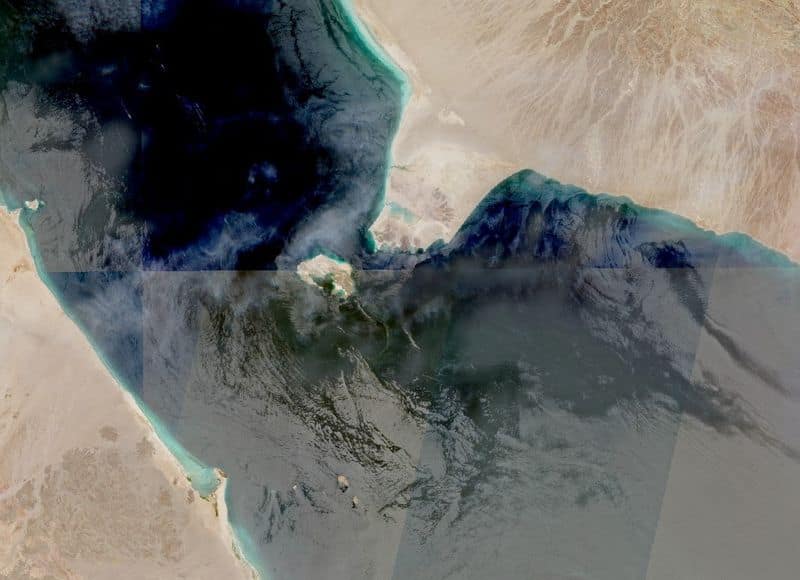
Oil prices have surged nearly 40% this month, surpassing $100 a barrel, largely due to Houthi attacks on tankers in the Red Sea and escalating fears of military action against Iran. This surge has worsened the inflation outlook, leading traders to more than double the implied chance of a Federal Reserve rate hike at its upcoming meeting.
The resulting selloff in Treasuries pushed the benchmark 10-year yield to its highest level since January 2025. Investment-grade bonds, with their longer maturities and lower coupons, are particularly sensitive to rising interest rates compared to high-yield debt. In contrast, high-yield bond funds attracted approximately $534 million, and leveraged-loan funds also saw modest inflows, benefiting from higher coupons and floating rates.
Separately, concerns about the sustainability of AI-driven capital expenditures have emerged, with tech giants like Alphabet and Tesla reporting negative free cash flow. This comes as the U.S. has also imposed new tariffs on goods from 60 trading partners, adding another layer of market worry alongside Middle East tensions.