Key facts
- Oil prices fell on Friday, with Brent futures down 1.2% and WTI crude down 1.8%.
- Despite falling prices, both benchmarks were set to rise about 20% for the month.
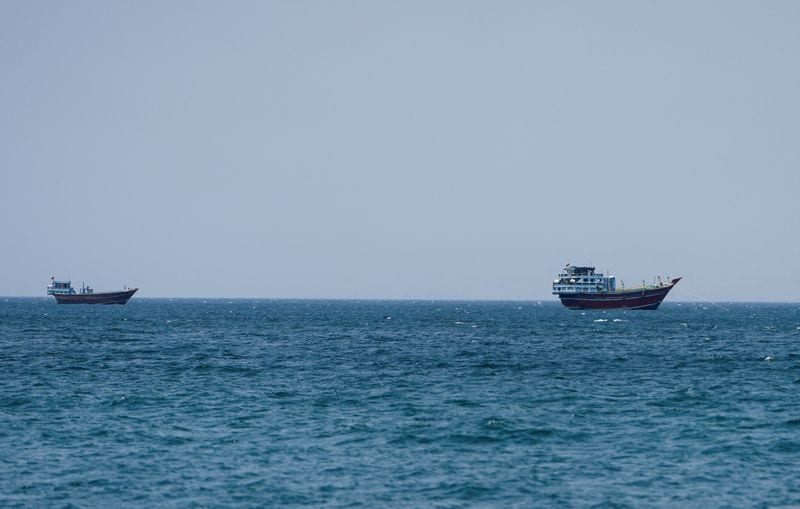
- Increased flows through the Strait of Hormuz are offsetting rising Middle East tensions.
- Saudi Arabia is seeking to lead a coalition to enhance defense cooperation in key maritime chokepoints.
- Houthi militants declared a naval blockade on Saudi Arabia, threatening Red Sea oil export routes.
Oil prices declined on Friday, though both Brent and WTI benchmarks were on track for a monthly increase of approximately 20%. The decrease came as increased supplies flowed through crucial maritime chokepoints, counteracting rising tensions in the Middle East. Daniel Hynes, an analyst at ING, noted that signs of increased flow in the Strait of Hormuz are offsetting geopolitical concerns. The Strait of Hormuz, which typically handles about a fifth of global crude and LNG shipments, has been a focal point amid the conflict. Saudi Arabia is working to establish a coalition of 14 nations to enhance defense cooperation in the Bab El-Mandeb Strait and the Red Sea. This initiative follows a declaration by Iran-aligned Houthi militants of a naval blockade on Saudi Arabia, potentially impacting Red Sea oil export routes. Despite higher security risks boosting freight and insurance costs, analysts suggest the broader trend for oil prices remains constructive.