Key facts
- Oil prices surged nearly 4% due to escalating Middle East shipping risks.
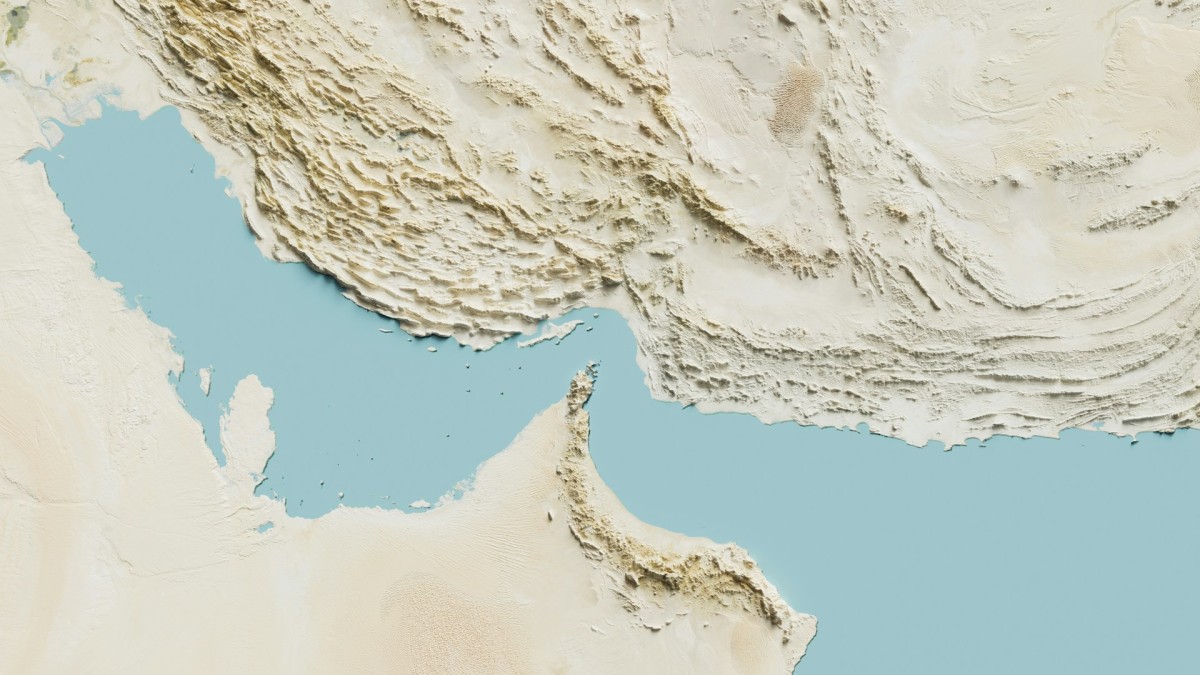
- A Kuwaiti oil tanker was struck by a projectile in the Strait of Hormuz.
- Houthi militia threatened to close the Bab el-Mandeb Strait, impacting Saudi oil exports.
- Tanker traffic in the Red Sea faced disruptions, with some vessels making U-turns.
- Attacks on tankers in the Black Sea also suspended oil loadings from Kazakhstan.
Oil prices surged by nearly 4% as concerns over Middle East crude supply intensified due to threats against shipping in both the Strait of Hormuz and the Bab el-Mandeb Strait. Brent Crude rose 3.75% to $94.42 per barrel, while the U.S. benchmark, WTI Crude, increased by 3.69% to $87.45.
The Iran-aligned Houthis have reportedly completed preparations to attack shipping near the Bab el-Mandeb Strait, potentially choking supply from Saudi Arabia's port of Yanbu. This follows an incident where a Kuwaiti oil tanker was struck by an unknown projectile in the Strait of Hormuz, prompting Kuwait to summon the Iranian ambassador. Several crew members were injured in the Hormuz incident.
Tanker traffic in the Red Sea has seen disruptions, with some vessels making U-turns amid safety concerns. The United Kingdom Maritime Trade Information Centre (UKMTO) issued an advisory noting the Houthi preparations. U.S. President Donald Trump indicated that military operations are likely to intensify, with no current interest in renewed negotiations.
Further supporting oil prices are disruptions outside the Middle East, including attacks on tankers in the Black Sea that have suspended oil loadings from Kazakhstan at Russia's CPC terminal.