Key facts
- Buckling support columns and sagging floors were discovered at a major NYC office-to-residential conversion project.
- The incident at the former Pfizer headquarters led to the evacuation of nine buildings and closure of 10 city blocks.
- The project aims to create 1,600 luxury apartments.
- The Department of Buildings has issued a vacate order and is investigating the structural failure.
- Initial analyses indicate an 11-story addition may have overstressed the building's existing structure.
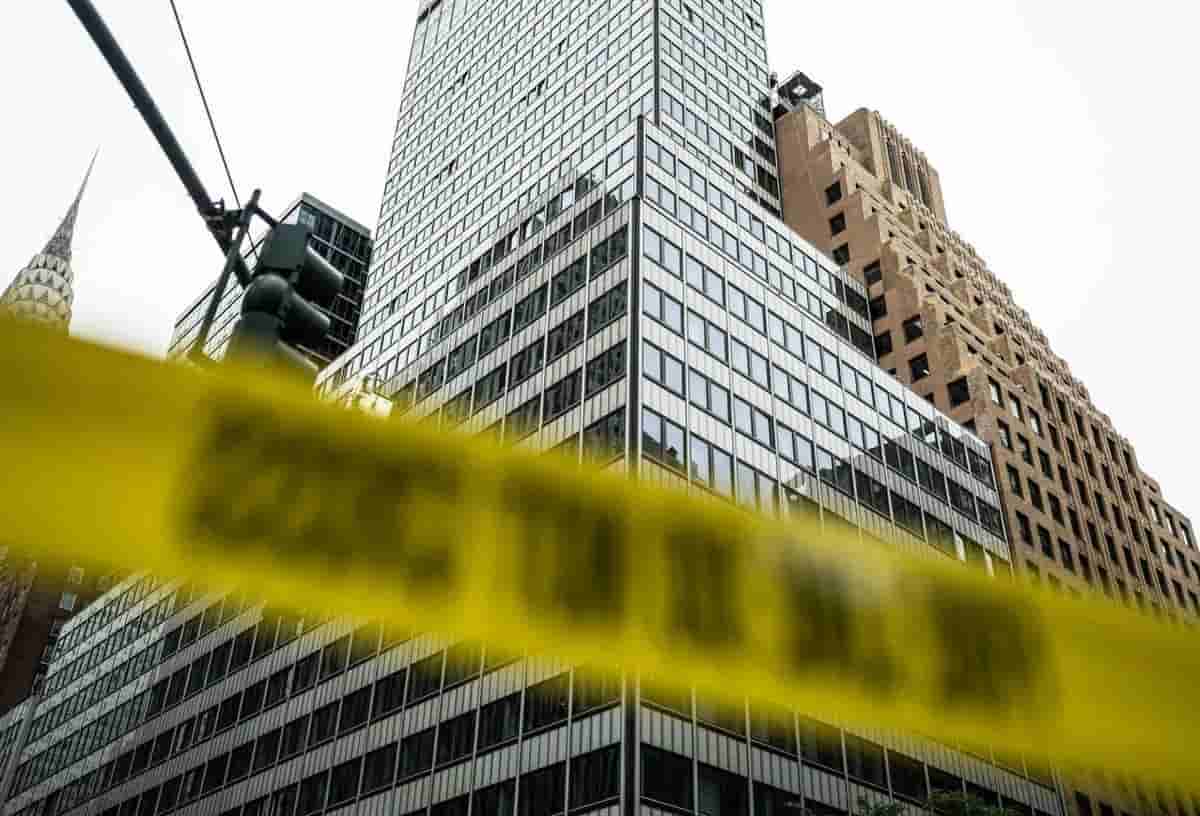
A structural issue at a major office-to-residential conversion project in Midtown Manhattan has raised concerns about the safety and feasibility of adaptive reuse projects. Buckling support columns and sagging floors were discovered at the former Pfizer headquarters, prompting an emergency response that included the evacuation of nine nearby buildings and the closure of 10 city blocks.
The project, which aims to convert the 1.3 million-square-foot former Pfizer headquarters into a 1,600-unit luxury apartment building, has since been stabilized. However, the incident has cast a shadow over New York City's ambitious conversion pipeline, which includes over 19 million square feet of office space in development.
Initial analyses suggest that an 11-story addition to the building may have overstressed the existing 37 floors below, causing the structural defects. The New York City Department of Buildings has issued a vacate order for the site and launched an investigation, requiring the developer to retain a third-party engineer for a forensic evaluation.
Real estate industry representatives expressed concerns that the incident could lead to increased lender hesitancy and higher insurance rates. Some also worry about potential overregulation by city officials in response to the event. However, the developer, Metro Loft Management, stated that the issue affected a small fraction of the building and that they remain on schedule for completion.
Conversions are seen as a potential solution to both record-high office vacancy rates and the city's housing crisis, supported by policy changes and tax incentives. However, skeptics have pointed to high construction costs and potential challenges in adapting older buildings. Experts note that conversion projects lack the 'blank slate' advantage of new construction, requiring careful accounting for existing conditions and potential deterioration.