Key facts
- NASA issued a request for proposals for private space stations.
- NASA will provide transportation for the first four NASA service missions to private stations.
- NASA estimates a four-seat crew flight will cost $325 million in 2030.
- NASA estimates a cargo flight will cost $300 million in 2030.
- SpaceX plans to retire the Crew Dragon spacecraft around 2030-2032.
- NASA provided $359 million to support Boeing's Starliner certification.
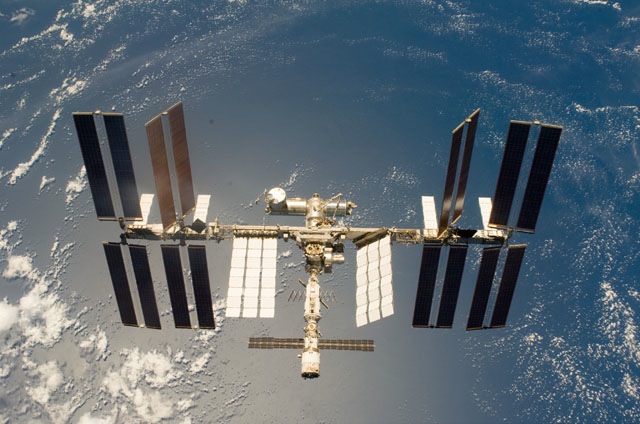
NASA has released a long-awaited request for proposals (RFP) to industry for the development of private space stations, signaling a significant step towards commercializing low-Earth orbit. The agency is offering substantial support to potential operators, including providing transportation for the first four NASA service missions to these future stations. This move aims to alleviate a major financial and logistical burden for companies undertaking the complex task of building and operating orbital facilities.
This initiative comes as SpaceX, the current provider of US crewed transportation to the International Space Station (ISS) with its Crew Dragon spacecraft, plans to retire the vehicle around 2030 or 2032, coinciding with the ISS's deorbit. SpaceX has not yet committed to selling seats to private station operators. In response to this potential gap, NASA recently provided an additional $359 million to support Boeing's efforts to certify its Starliner spacecraft for crewed missions.
The new RFP allows bidders to submit proposals without requiring proof of a signed contract or even a letter of intent from a transportation provider like Boeing. NASA has also assigned explicit price estimates for future missions: a four-seat crew flight is projected to cost $325 million in 2030, and a cargo flight $300 million. This support is crucial for companies aiming to establish commercial space stations.
Industry stakeholders have reacted positively to the RFP's release. Marshall Smith, CEO of Voyager's Starlab space station, called it an "important milestone" and expressed confidence in Starlab's business plan and technical solutions. Axiom Space also welcomed the RFP, stating their team is reviewing it and is confident in their proposal to meet NASA's objectives.