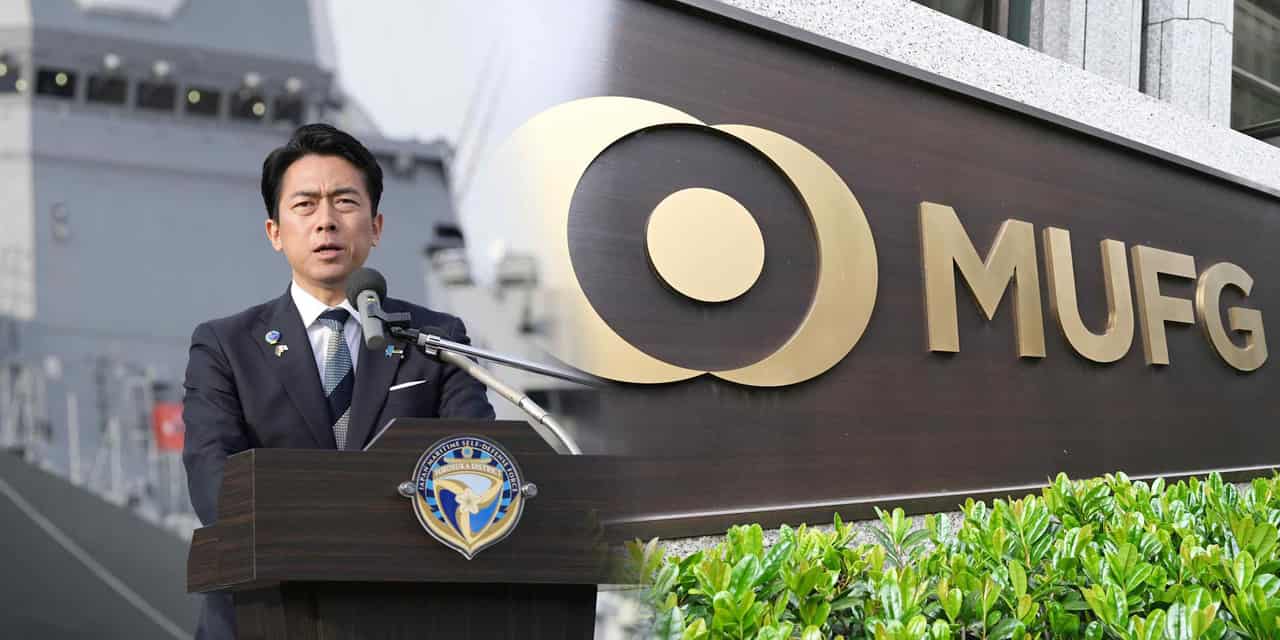
MUFG Bank is preparing to implement new guidelines that will allow it to finance defense-related companies, signaling a significant shift from its historically cautious approach. This change aligns with the Japanese government's broader strategy to enhance the nation's defense capabilities and industrial base.
The Japanese government has been actively encouraging financial institutions to support the defense sector. Prime Minister Sanae Takaichi's administration has identified the defense industry as one of 17 strategic areas for intensive public and private investment, aiming to bolster technological and production capacities for dual-use equipment, including drones. Defense Minister Shinjiro Koizumi has publicly urged for greater investment and lending to the sector, acknowledging reputational concerns but emphasizing the vital need for capital for industry growth.
Reflecting this policy shift, the government-backed Development Bank of Japan (DBJ) revised its operational rules in May, moving from a cautious stance to considering funding for arms manufacturers. However, many private commercial banks have remained hesitant due to concerns about potential damage to their corporate image and the impact on their overseas businesses, particularly in China. While some institutions state decisions are made on a case-by-case basis, a general reluctance persists within the industry.
This evolving landscape follows the government's revision of its principles on defense equipment transfers, which now permit the export of lethal weaponry. This policy change, coupled with heightened geopolitical risks, is prompting Japanese banks to re-evaluate their long-standing policies against financing security and defense companies.