Key facts
- Only about 6% of eligible patients will receive Mounjaro on the NHS in the first three years.
- MPs called for a summit on GLP-1 access to improve rollout.
- The NHS plans to provide access to 220,000 people over three years.
- Mounjaro was recommended by NICE in June 2024 for managing overweight and obesity.
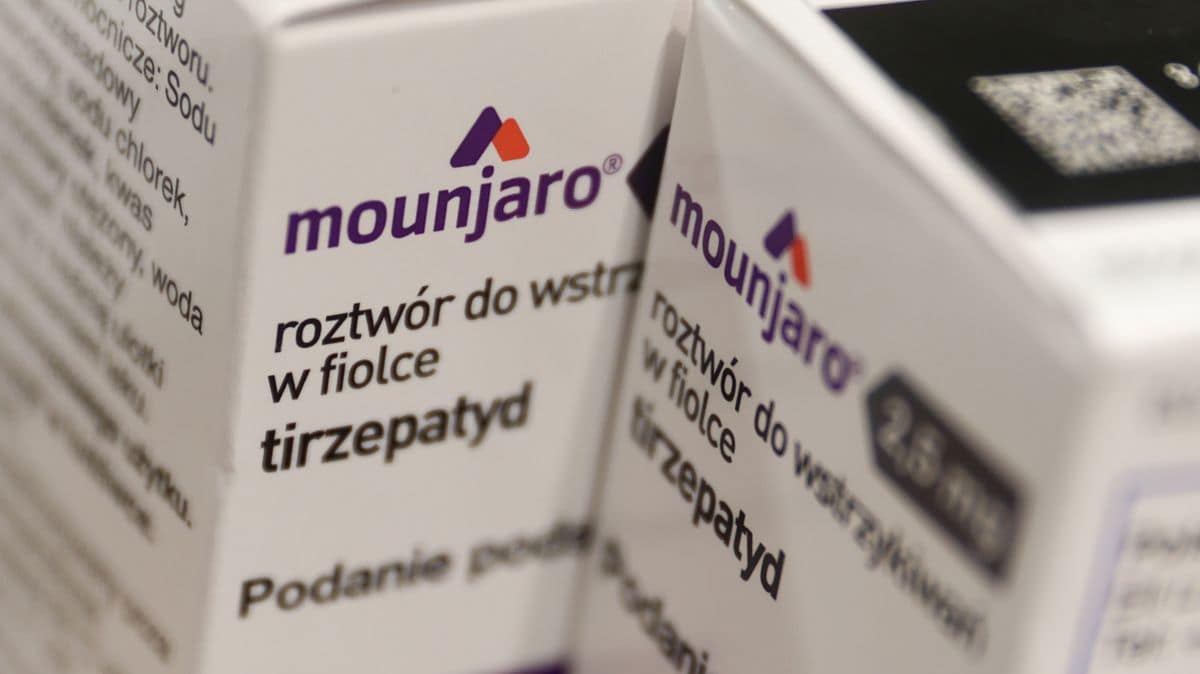
MPs have expressed significant concerns over the slow rollout of the weight-loss drug Mounjaro on the NHS, warning that current plans are unambitious and will only reach a "woefully small number of people". According to the Commons Health and Social Care Committee, approximately six percent of eligible individuals will receive Mounjaro through the NHS in its initial three years, prompting millions to seek the drug through private channels. This has led to the development of a "two-tier system" where access is increasingly determined by financial means rather than clinical need, exacerbating existing health disparities. Pharmacy leaders have echoed these concerns, highlighting the creation of a postcode lottery for patients and the inadvertent fueling of a black market for unlicensed GLP-1 treatments.
The National Institute for Health and Care Excellence (Nice) recommended Mounjaro in June 2024 as an option for managing overweight and obesity. The NHS has also approved semaglutide (Wegovy) for obese individuals, though private prescriptions are common due to limited NHS availability. The NHS estimated that 2.8 million patients would be eligible for Mounjaro, but a gradual rollout was agreed upon with Nice due to the potential cost of £15.2 billion over five years if all eligible patients presented within the first year. Currently, the NHS plans to provide access to 220,000 people over three years, a figure that represents only about six percent of those eligible based on Nice's recommendation.
In response, an NHS spokesperson stated that new methods are being tested to accelerate access and ensure more people can benefit, alongside other weight management support. MPs also called for ambitious targets for GLP-1 access, improved data sharing between GPs and prescribers, and a review of the Medicines and Healthcare products Regulatory Agency's (MHRA) capacity to combat the illegal trade of GLP-1s.