Key facts
- Mitsubishi Heavy Industries will invest approximately 100 billion yen ($638 million) to expand its commercial vessel shipyard.
- The expansion aims to increase shipyard capacity by 25% by fiscal 2028.
- Japan's Ministry of Land, Infrastructure, Transport and Tourism approved subsidies for shipyard modernization.
- The Japanese government aims to double domestic shipbuilding output to 18 million gross tons by 2035.
- Mitsubishi Heavy Industries received the largest single subsidy allocation in the second round of funding, up to 40 billion yen ($259 million).
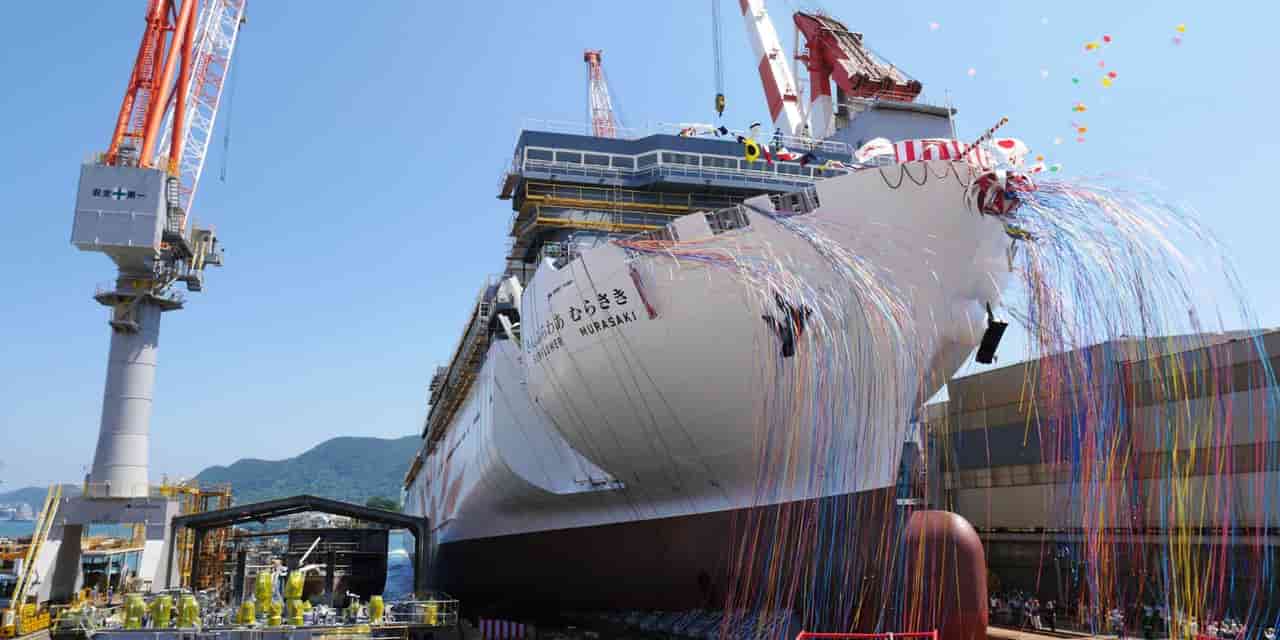
Mitsubishi Heavy Industries plans to invest approximately 100 billion yen ($638 million) to expand capacity at its commercial vessel shipyard by 25% in fiscal 2028, seeking to capitalize on a global boom in demand. The Shimonoseki shipyard expansion is part of a broader government initiative to bolster Japan's shipbuilding industry.
Japan's Ministry of Land, Infrastructure, Transport and Tourism has authorized up to 98 billion yen ($635 million) in subsidies for shipyard modernization, supporting five commercial dock operators. This funding is part of the Shipbuilding Industry Revitalization Fund, established under the Economic Security Promotion Act, which aims to address a persistent supply deficit in the maritime transport chain. The ministry's goal is to double annual domestic shipbuilding output from nine million gross tons in 2024 to 18 million gross tons by 2035.
Mitsubishi Shipbuilding received the largest single allocation in the second round of funding, securing up to 40 billion yen ($259 million) for automated hull assembly lines and dry dock reconfigurations. Other recipients include the Shin Kurushima Dockyard group, which received 32 billion yen ($207 million), Kawasaki Heavy Industries with 15.6 billion yen ($101 million) for its Sakaide Works, Oshima Shipbuilding with 6.1 billion yen ($39 million), and Naikai Zosen with 4.3 billion yen ($28 million).
These initiatives come as Japanese yards have seen their global market share decline from about 50% in the early 1990s to approximately 10% in recent years, with annual domestic production falling from 16 million gross tons in 2019 to nine million gross tons in 2024. Domestic merchant fleet operators generate an annual replacement demand of roughly 18 million gross tons, with Japanese shipowners currently awarding about half their replacement tonnage to overseas yards due to domestic building berth limitations and acute labor shortages.