Key facts
- The Strait of Hormuz has reopened following a U.S.-Iran interim deal.
- Millions of barrels of crude oil are expected to enter Asian markets.
- Traffic in the strait has begun to revive, with 18 vessels transiting in the hours after the deal.
- Approximately 20% of the world's oil supplies previously passed through the Strait of Hormuz.
- The deal includes a waiver of sanctions on Iranian oil.
- Concerns remain about the long-term viability of the reopening and potential renewed hostilities.
The Strait of Hormuz has reopened following a U.S.-Iran interim agreement, potentially allowing millions of barrels of crude oil to flood Asian markets. This development follows a period of heightened tensions and a blockade of the vital shipping lane, which previously saw approximately 20% of global oil supplies pass through.
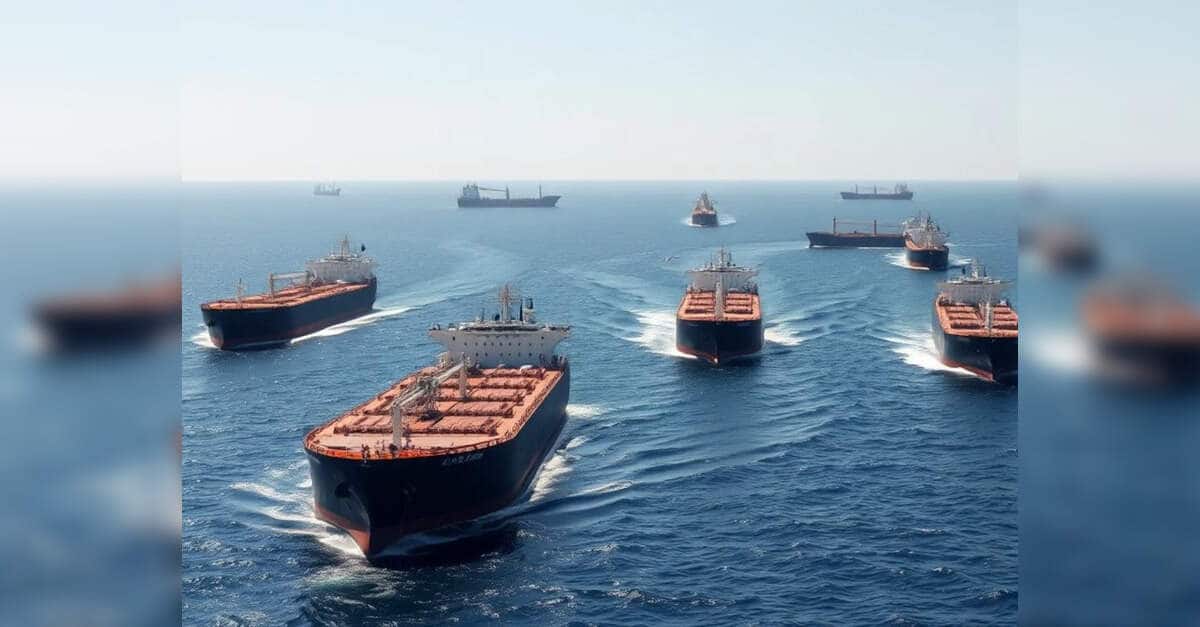
Maritime intelligence firm Windward reported that 18 vessels transited the strait in the hours immediately after the agreement was signed, signaling a potential return to normalcy. These included LNG tankers, oil tankers, and vehicle carriers. While this represents a significant increase from the average of seven vessels per day in early June, it is described as a 'trickle' that needs to grow to realize an economic peace dividend.
Analysts emphasize that the actual movement of oil and gas through the strait is crucial. The confidence of shipping companies in the safety of transit is key to resuming loading operations from ports in Iraq, Kuwait, and Saudi Arabia, as well as Qatari LNG shipments. The U.S. has also issued a waiver of sanctions on Iranian oil, providing an additional economic boost.
However, the long-term viability of the reopening remains uncertain. Key tests include whether traffic continues to increase, if Iran refrains from harassing vessels, and how quickly insurance premiums for shipping in the region decrease from their elevated levels. The memorandum of understanding states that commercial vessel traffic will be reinstated within 30 days, with Iran agreeing to toll-free transit for 60 days pending further talks.
The war and blockade of the Strait of Hormuz had significant global market impacts, causing turmoil and fuel shortages. It also prompted producers like Saudi Arabia and the UAE to enhance alternative routes, such as pipelines to the Red Sea and the Gulf of Oman. This episode has led to discussions about reducing dependence on the Strait of Hormuz as a single chokepoint, with buyers reassessing supply and transit risks in the Middle East.