Key facts
- Microsoft has detailed a new cryptocurrency clipper malware campaign targeting Windows users since February 2026.
- The malware, referred to as CryptoBandits, spreads via malicious Windows Shortcut (LNK) files distributed on USB drives.
- It intercepts clipboard data to steal cryptocurrency credentials and substitutes wallet addresses with attacker-controlled ones.
- The malware utilizes a portable Tor client to communicate with hidden .onion services, acting as a lightweight backdoor.
- It also exfiltrates screenshots and can execute remote code supplied by the command-and-control server.
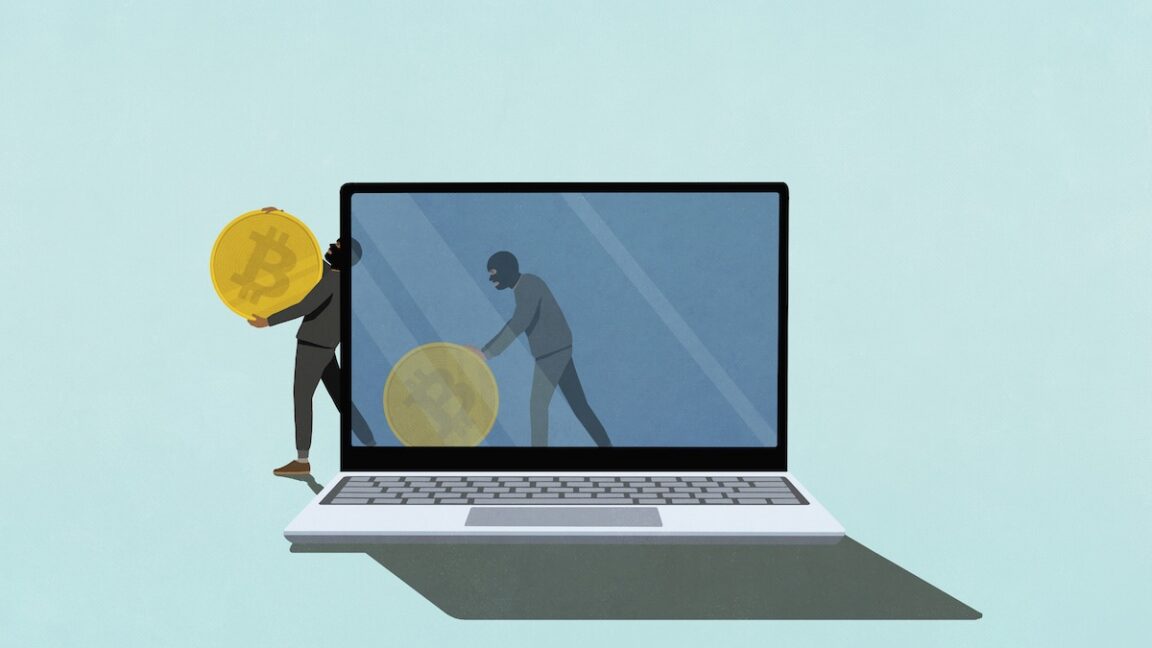
Microsoft has detailed a sophisticated Windows-based cryptocurrency clipper malware campaign, dubbed CryptoBandits, that has been targeting users since February 2026. The malware employs self-spreading capabilities via USB drives and utilizes the Tor anonymity network to communicate with hidden command-and-control servers.
The campaign involves distributing malicious Windows Shortcut (LNK) files disguised as legitimate documents on USB storage devices. When executed, these files trigger a worm component that checks for existing infections and fetches the main payload if necessary. This payload includes a clipper that monitors the user's clipboard for cryptocurrency wallet addresses, substituting them with attacker-controlled ones to reroute funds.
Beyond wallet theft, the malware also exfiltrates screenshots and can execute remote code supplied by the command-and-control server, effectively turning the stealer into a lightweight backdoor. It uses a bundled Tor client to route traffic through a local SOCKS5 proxy, reducing DNS visibility and obscuring the final destination of its communications.
Microsoft recommends security measures such as prioritizing behavioral detections over static signatures, disabling AutoRun/AutoPlay for removable media, blocking LNK execution from USB drives, and restricting the use of script engines like WScript and CScript. The company also advises reviewing clipboard-related and screen-capture behaviors on devices handling sensitive financial workflows.