Key facts
- Michigan Senate race tests identity attacks on Muslim candidate Abdul El-Sayed and progressive agenda.
- Republican Mike Rogers has linked El-Sayed to extremism and the Muslim Brotherhood.
- El-Sayed denies the accusations and calls the attacks Islamophobic.
- The race is considered a toss-up and is critical for Senate control.
- A poll indicated 38% of Michigan voters are less likely to support a Muslim candidate.
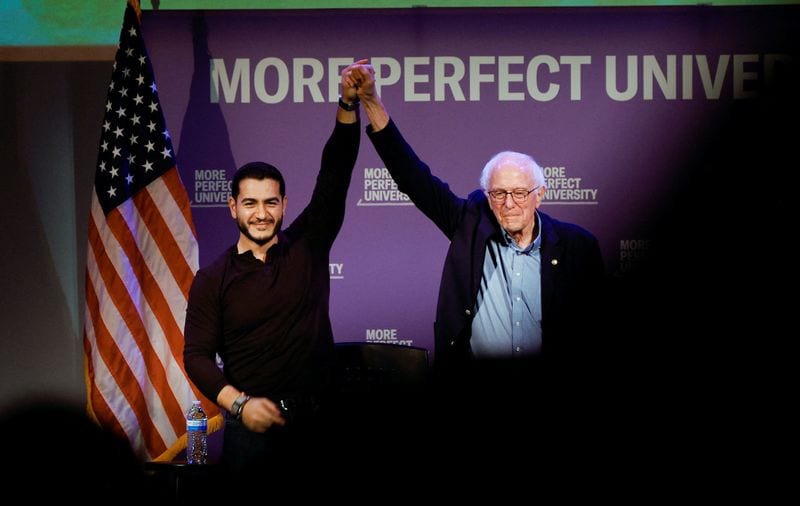
Michigan's tight race for an open US Senate seat is testing whether identity-based attacks on a Muslim candidate can succeed in a battleground state and how willing Democratic voters are to embrace the party's progressive wing. Republican Mike Rogers has sought to portray Democrat Abdul El-Sayed, who would be the nation's first Muslim senator, as sympathetic to Islamist extremism, which El-Sayed denies and supporters call Islamophobic. Rogers has also argued that El-Sayed's support for universal healthcare and other progressive policies places him outside the political mainstream.
El-Sayed, a former public health official, has focused his campaign on lowering costs for working-class Americans while seeking to tie Rogers to President Donald Trump. Trump has falsely accused El-Sayed of being a Muslim extremist, while Rogers has tried to tie him to the Muslim Brotherhood. El-Sayed has disavowed the group and denied any connection with it.
Independent analysts rate the race a toss-up, with the RealClearPolling average showing El-Sayed ahead by 2.5 percentage points in a state Trump carried by 1.4 points in 2024. The NAACP issued a rare rebuke of the "blatantly racist attacks" surrounding the race, with President Derrick Johnson calling them "unacceptable and disgusting."