Key facts
- Mexico and Central America are experiencing a significant outbreak of the New World screwworm (NWS).
- Over 148,000 animals and 1,190 humans have been affected by the infestation.
- The U.S. border with Mexico has partially reopened to cattle imports after a year-long closure due to the screwworm.
- The USDA is releasing 100 million sterile male flies weekly in Mexico to control the fly population.
- The CDC has alerted U.S. clinicians to be aware of NWS symptoms and reporting procedures.
Mexico is currently grappling with a significant outbreak of the New World screwworm (NWS), a parasitic fly that feeds on living tissue. This infestation has led to over 1,190 human cases and seven deaths across Central America and Mexico, with more than 148,000 animals also affected. The situation prompted the U.S. Department of Agriculture (USDA) to warn of the threat, particularly after an infected cow was discovered in Nuevo León, Mexico, just 70 miles from the U.S. border.
In response to the escalating crisis, the U.S. has partially reopened its border to cattle imports from Mexico after a year-long closure. The USDA is actively engaged in combating the flies by releasing approximately 100 million sterile male flies per week in Mexico, a method previously used to eradicate the pest in the Florida Keys in 2017. The Centers for Disease Control and Prevention (CDC) has issued a Health Advisory to U.S. clinicians, urging awareness of NWS symptoms, proper reporting, and specimen collection procedures, emphasizing the potential for geographic spread despite the current low risk to people in the U.S.
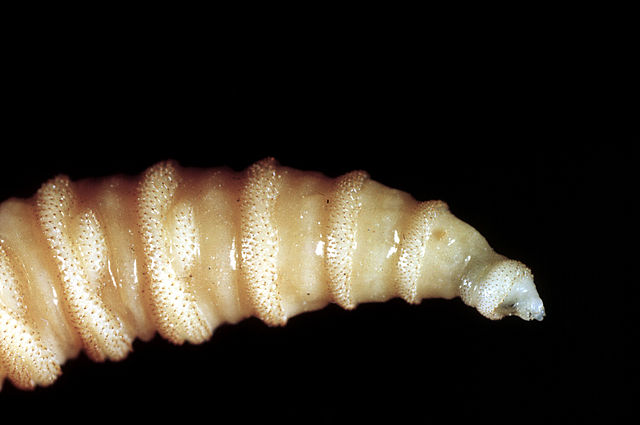
The CDC advises individuals to watch for egg masses or fly larvae in wounds, particularly if living tissue is being destroyed or if movement is felt. Prompt removal and destruction of larvae and eggs are crucial to prevent further spread. The agency recommends sending at least 10 dead larvae to the CDC for confirmation.