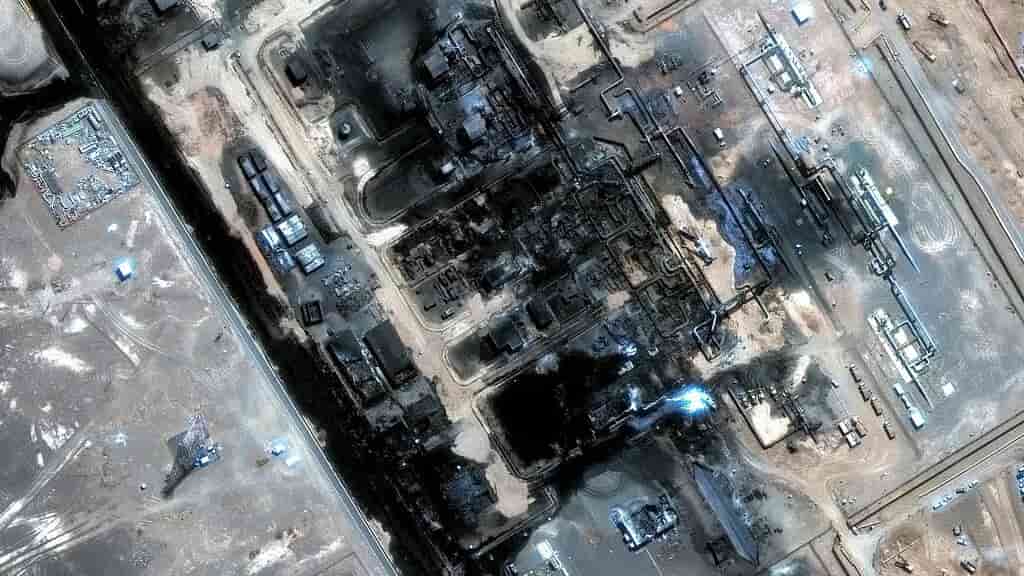
Criticism has been leveled against the newly formed Mecca joint defence agreement between Turkey, Pakistan, and Saudi Arabia for its perceived lack of response to recent Houthi attacks originating from Yemen against Saudi Arabia. The controversy intensified following the Houthis' takeover of coastal areas near the Bab al-Mandeb Strait and subsequent attacks on the East-West Pipeline, which transports a significant portion of global oil supply.
A senior Turkish official, speaking anonymously to Middle East Eye, argued that such criticism is disingenuous and premature. The official explained that the treaty's defence commitments are not yet legally binding as they still require domestic approval processes in each signatory nation. Turkey plans to submit the agreement to its parliament in October, while Pakistan also needs parliamentary ratification. Saudi Arabia, however, can ratify the pact via royal decree.
The official emphasized that the agreement is designed not just as a security alliance but as an international organization, with mechanisms for threat assessment, consultation, and coordinated assistance needing time to develop. While the countries have cooperated bilaterally in the past, trilateral military exercises have not yet occurred. The establishment of a secretariat in Saudi Arabia, agreed upon in an August 31 meeting in Istanbul, signifies the initial steps toward institutionalization, a process expected to take several years.
Drawing inspiration from NATO's Article 5, the Mecca pact requires consultation among members to decide on a response to an attack, rather than triggering an automatic military counter-attack. Turkey and Pakistan have issued statements condemning the Houthi attacks, with Pakistan noting it had not received a request for intervention from Saudi Arabia despite a bilateral treaty. The agreement's ultimate purpose, according to the official, is to establish long-term deterrence to de-escalate regional conflicts.