Key facts
- US and China extended their trade truce by two months to January 10, 2027.
- The agreement averted immediate escalation but fell short of investor expectations for a longer runway.
- Chinese markets, including the CSI 300 and Hang Seng, declined following the summit.
- The yuan weakened against the dollar after the meeting.
- The two countries agreed on preferential tariff treatment for about $30 billion in non-sensitive goods.
- China committed to importing 10 million metric tons of US coal in 2027 and 2028.
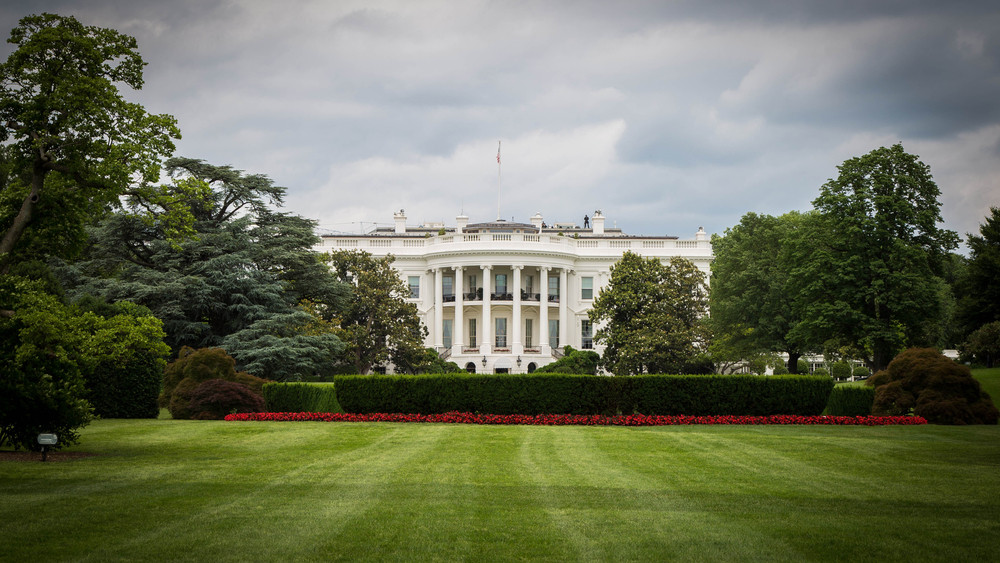
Markets reacted coolly to the outcome of the US-China summit, where leaders Donald Trump and Xi Jinping met in Washington. The primary economic result was a two-month extension of the existing trade truce, pushing its expiration from November 10 to January 10, 2027. While this averted an immediate escalation in trade tensions, it fell short of the longer-term certainty many investors had anticipated.
Following the summit, Chinese equities experienced declines, with the CSI 300 falling 1.7% and the Shanghai Composite losing 1.2% on Thursday. On Friday, the Hang Seng dropped another 1.7% to a two-month low, led by technology and AI shares. The yuan also weakened against the dollar.
Barclays senior China economist Yingke Zhou characterized the meeting as having "more signaling, less substance," suggesting that the focus was on preventing a breakdown rather than resolving underlying disputes. Investors had generally been discussing three to six-month extensions, with some hoping for a one-year rollover.
Despite the market's muted reaction, the White House announced that the two governments had operationalized their Boards of Trade and Investment. Officials reached consensus on recommendations for more favorable tariff treatment for approximately $30 billion of non-sensitive goods in each direction. China also committed to importing at least 10 million metric tons of US coal in both 2027 and 2028.
However, significant issues remain unresolved. The official fact sheet indicated that concerns about rare earth and critical mineral shortages persist. There was no broad settlement on advanced semiconductors or Taiwan. While a "Super Intelligence Dialogue" and an emergency-communication channel were agreed upon, details remain scarce, limiting their immediate market impact.