Key facts
- Manchester City was found guilty of "sham" contracts to circumvent Premier League spending rules.
- The club faces potential sanctions including title stripping or relegation.
- Sheikh Mansour bin Zayed al-Nahyan, vice-president of the UAE, acquired Manchester City in 2008.
- Khaldoon Al Mubarak, chairman of Manchester City, is a prominent figure in the Emirati government.
- Etihad Airways is considering legal action against the Premier League over reputational damage.
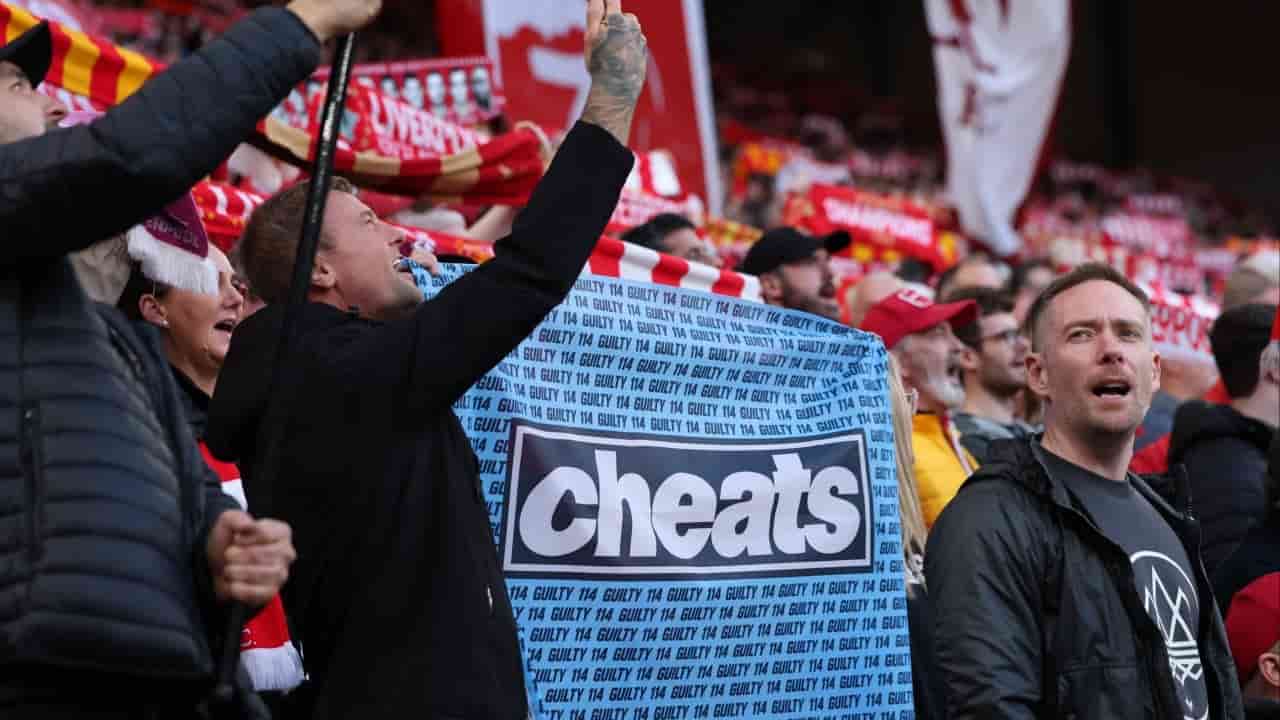
The Premier League's ruling against Manchester City for financial rule breaches has intensified scrutiny on the relationship between the United Arab Emirates and the United Kingdom. Critics have long accused Abu Dhabi, the club's owner, of "sportswashing" to improve its international reputation. The scandal, stemming from alleged "sham" contracts between 2009 and 2018, threatens to undermine the significant "soft power" gains Abu Dhabi has achieved through its ownership of the club.
The judgment by an independent commission has placed the UK government in a difficult position, balancing its long-standing ties with the UAE against the integrity of its own sporting regulations. Prime Minister Andy Burnham stated he could not intervene in the process, though a Downing Street spokesman later emphasized the seriousness of the judgment and the principle that no one is above the rules.
The transformation of Manchester City since its 2008 takeover by Sheikh Mansour bin Zayed al-Nahyan, the UAE's vice-president and deputy prime minister, has been dramatic, leading to numerous titles. However, the ruling casts a shadow over this success. Experts like Kristian Coates Ulrichsen of Rice University note the substantial soft power benefits Abu Dhabi derived from the club's achievements. David Wearing, an assistant professor at the University of Sussex, described the situation as a potential "desecration" of British culture by a close ally.
The fallout could directly impact Abu Dhabi, given the prominent roles of Sheikh Mansour and club chairman Khaldoon Al Mubarak within the Emirati government. Ulrichsen suggests the UAE leadership may take the ruling personally. The challenge for the British government, he added, is to ensure the matter is treated as regulatory, not political. Former FA chairman David Bernstein expressed concern about potential political interference, suggesting the club might be "too big to fail" or that "national interest" could be at play.
Etihad Airways, the club's main sponsor, is reportedly considering legal action against the Premier League. While Abu Dhabi could leverage its investment decisions, Wearing notes that the UAE's need for good relations with the UK, given its regional position, skews the balance of power. The UAE is the UK's 20th-largest trading partner, representing 1.3% of total UK trade, with significant investments in energy, infrastructure, and technology.