Key facts
- Green turtle nesting in Malaysia's Sabah state has tripled since the 1970s.
- Malaysia banned turtle meat and egg consumption in 1997.
- A women's cooperative on Omadal island relocates turtle eggs to hatcheries.
- Mataking Reef Resort collects approximately 36,000 turtle eggs annually.
- Globally, green turtles are classified as 'least concern' by the IUCN, though some regional populations remain endangered.
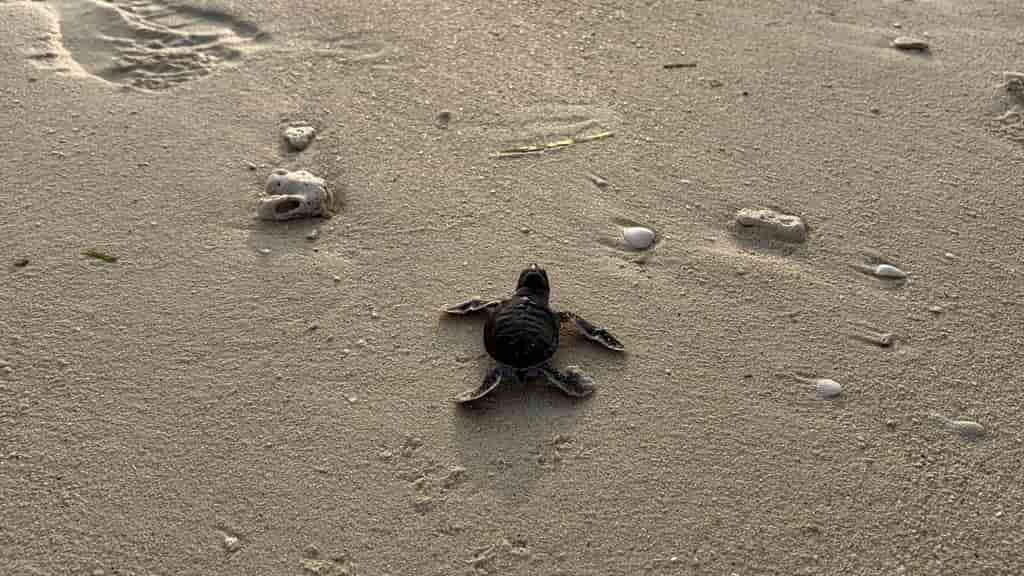
Green turtles in Malaysia's Sabah state are experiencing a significant population recovery, with nesting numbers tripling since the 1970s. This success is a rare bright spot in global wildlife conservation, where many species continue to decline.
Decades of conservation efforts, including egg relocation, marine protection, and trade bans, have contributed to the recovery. Malaysian turtle expert Juanita Joseph, a professor at Universiti Malaysia Sabah, described the global reclassification of green turtles from endangered to 'least concern' as a moment of disbelief and personal fulfillment.
While other sea turtle species remain vulnerable or critically endangered, Malaysia's Sabah region has seen remarkable growth. The Turtle Islands have been under protection since 1977, and a ban on turtle meat and egg consumption was implemented in 1997. These measures, alongside community-led initiatives, have been crucial.
On Omadal island, a women's cooperative led by Sitti Rasah Abdul has been relocating turtle eggs from beaches to protected hatcheries since 2012, safeguarding them from predators and poachers. Similarly, at the Mataking Reef Resort, hotel owner Sophia Sie has integrated conservation into her business, with a significant increase in collected eggs over the years. Guests at the resort can participate in releasing hatchlings, contributing to both conservation and the resort's appeal.