Key facts
- Maersk reported Q2 operating profit of $3.0 billion, exceeding analyst forecasts.
- The company raised its full-year earnings outlook for the second time.
- CEO Vincent Clerc expects a full return to Suez Canal transit by 2026, dependent on stable security.
- High freight rates are attributed to port congestion and network bottlenecks, not the Middle East conflict.
- Maersk and Hapag-Lloyd plan to resume some Suez Canal services.
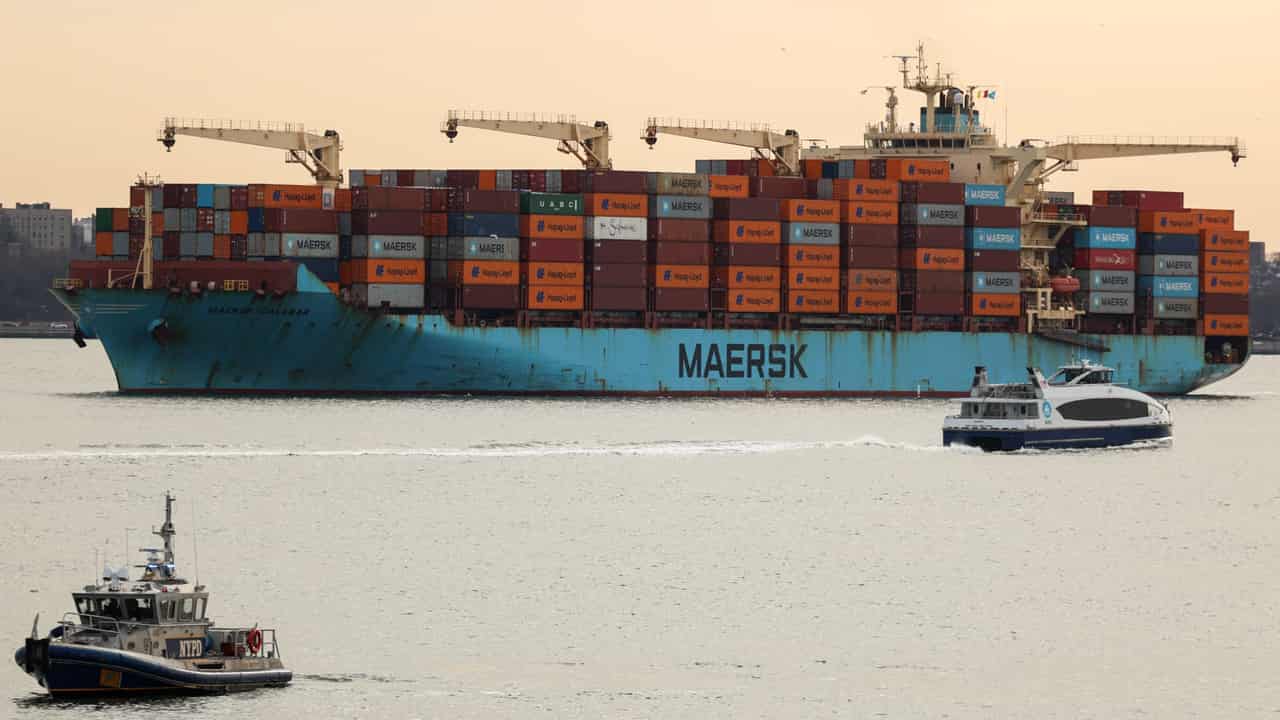
Danish shipping group Maersk reported a second-quarter operating profit of $3.0 billion, surpassing the median analyst forecast of $2.12 billion and prompting the company to raise its full-year earnings guidance for the second time this year. The company's profit before interest, taxes, depreciation, and amortization (EBITDA) for the April to June period showed an increase from $2.30 billion a year ago.
Maersk, a bellwether for global trade as the world's second-largest container shipper, anticipates global container market growth of approximately 4% for the current year. The company has benefited from rising freight rates driven by trade turbulence, including Houthi attacks in the Red Sea and U.S.-Iran tensions affecting the Strait of Hormuz, which have led to longer shipping routes and increased costs.
CEO Vincent Clerc stated that conditions are in place for a full return to Suez Canal transit during 2026, provided security in Yemen remains stable. He added that current high freight rates are a result of port congestion rather than issues in the Strait of Hormuz. Maersk, in conjunction with partner Hapag-Lloyd, will continue to assess security conditions to initiate the next phase of returning to the Suez Canal.