Key facts
- Lord Jim O’Neill has declined a formal role in Andy Burnham’s government.
- O'Neill stated his decision was due to wanting to control his own investments rather than any policy disagreements.
- He previously served as an informal economic adviser to Burnham.
- The departure of economic advisors leaves a gap in Burnham's team.
- Budget preparations are underway, with potential pressure on Chancellor John Healey.
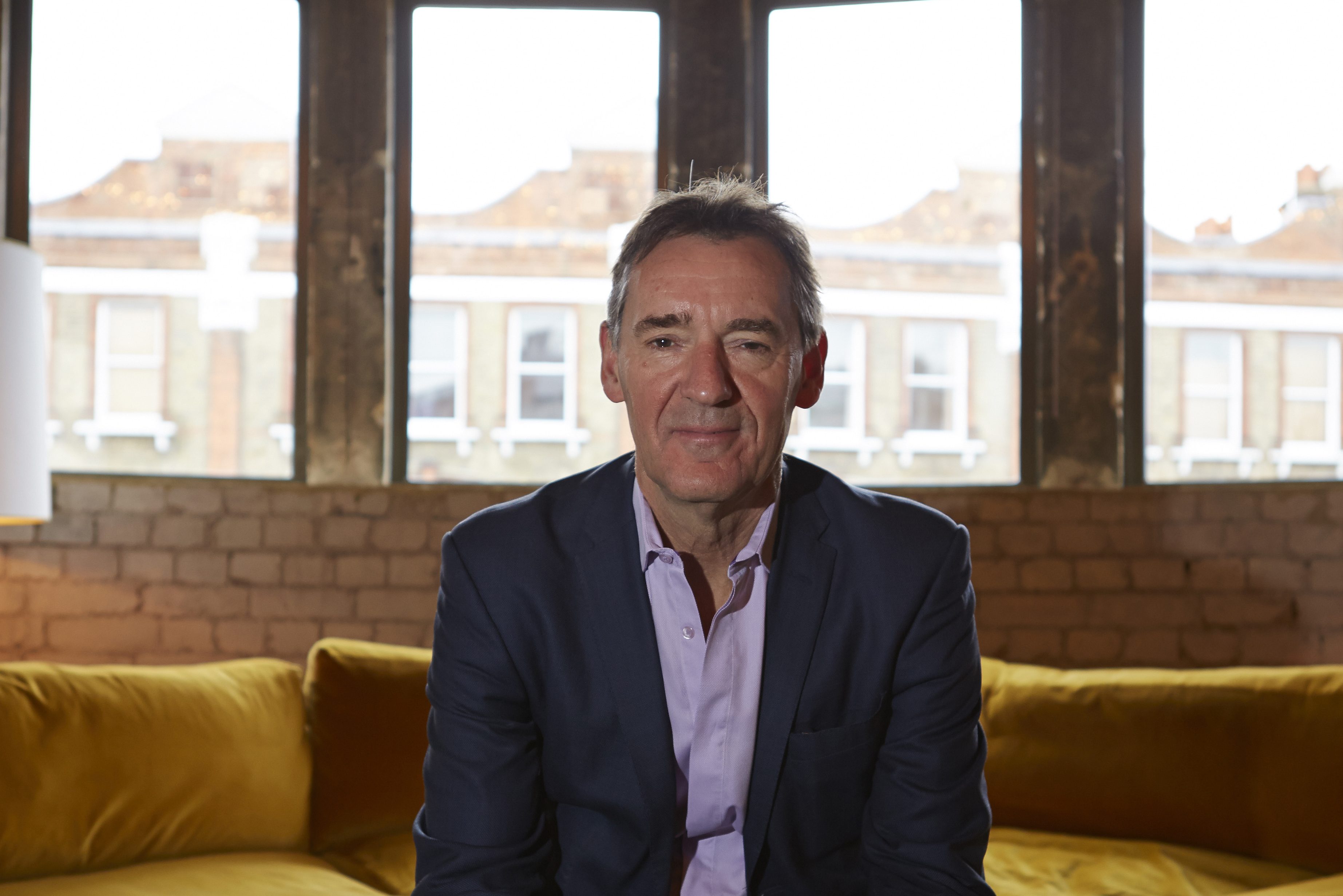
Economist Lord Jim O’Neill has declined a significant economic role in Prime Minister Andy Burnham’s government, a decision that could impact business confidence ahead of the upcoming Budget. O’Neill, a former Goldman Sachs executive, had been in discussions to join Burnham's administration in a key economic capacity.
City AM first reported that O'Neill had rejected a formal offer. Sources indicate his decision stems from a desire to maintain control over his personal investments, rather than any policy disputes. O’Neill himself confirmed to the Financial Times that he enjoys his current private sector roles and does not wish to place his assets in a blind trust.
This development is seen as a setback for Burnham, who is seeking to garner support from the business community. O’Neill was among several prominent economic advisors who had been consulted by Burnham prior to his election as Labour leader. However, other key figures, including former Office for Budget Responsibility chair Richard Hughes and ex-Bank of England chief economist Richard Hughes, have also not taken official positions. Former Bank of England deputy governor Minouche Shafik has also departed as an economics adviser, as have John van Reenen and Anna Valero, who advised Rachel Reeves.
The departure of these economic experts has created a void in the advisory teams around Burnham and Chancellor John Healey. While Neil Amin-Smith remains an economic adviser, some within the Labour party fear that further key economic hires are needed to ensure credibility with markets and businesses. Budget preparations are ongoing, with Chancellor Healey facing pressure due to factors such as the ongoing Iran war, slowing economic growth, and fears of interest rate hikes.