Key facts
- Brett Schreiber led the first jury verdict against Tesla concerning its Autopilot system.
- A federal jury in Miami found Tesla partially responsible for a fatal crash.
- Tesla was ordered to pay over $242.5 million in damages.
- Tesla is appealing the jury's decision.
- Schreiber's firm receives numerous inquiries about potential Tesla Autopilot and Full Self-Driving cases.
- The high cost of litigation limits Schreiber's firm to cases involving severe injuries or deaths.
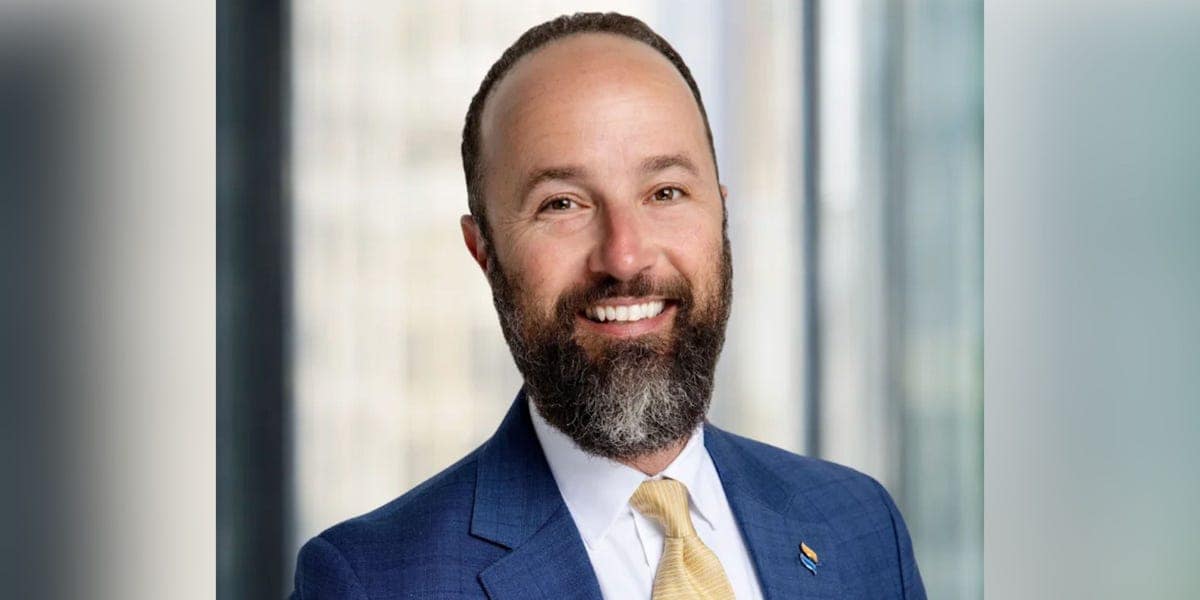
Brett Schreiber, a California-based lawyer, has stated that his firm continues to receive a high volume of inquiries regarding potential legal cases involving Tesla's Autopilot and Full Self-Driving systems. Schreiber led the legal team in the first successful jury verdict against Tesla concerning its Autopilot technology, a case that resulted in a jury finding Tesla partially responsible for a crash that killed Naibel Benavides Leon and seriously injured Dillon Angulo. The jury ordered Tesla to pay over $242.5 million in damages, though the company is currently appealing the decision.
Schreiber noted that while his firm gets dozens of calls monthly from across the country, the vast majority involve minor injuries that are not feasible to pursue due to the significant litigation costs, which can exceed $1 million. His firm must limit its caseload to instances of catastrophic injuries or fatalities to make the economics of contingency law work.
The Benavides case, according to Schreiber, focused on shared responsibility, arguing that Tesla's decisions to overstate and oversell its technology years before the collision contributed to drivers over-relying on it. He explained that unlike traditional auto product liability cases with established playbooks, autonomous vehicle litigation is in its nascent stages, with challenges in explaining complex algorithmic failures to juries. Schreiber also pointed out that many Tesla vehicles still on the road use older sensor technology, and over-the-air updates may not fully address the limitations of these systems, a point echoed by Elon Musk's recent comments on hardware upgrades for full self-driving capabilities.