Key facts
- The Kyiv Independent released a documentary on Sept. 11, 2026, investigating Russia's detention system for Ukrainian civilians in occupied Crimea.
- The documentary "Last Seen in Crimea" alleges that Ukrainian civilians are held without outside contact, often without formal charges, and subjected to torture.
- Two detention facilities in Simferopol, SIZO No. 2 and SIZO No. 8, are central to the investigation.
- SIZO No. 2 is reportedly used to hold Ukrainian civilians under abusive conditions, with access by Federal Security Service (FSB) personnel.
- SIZO No. 8, which came under FSB control in 2026, is largely closed to public scrutiny and allegedly headed by former FSB investigator Anton Panin.
- Ukraine's Ombudsman Dmytro Lubinets states Russia holds approximately 16,000 Ukrainian civilians in about 200 detention sites.
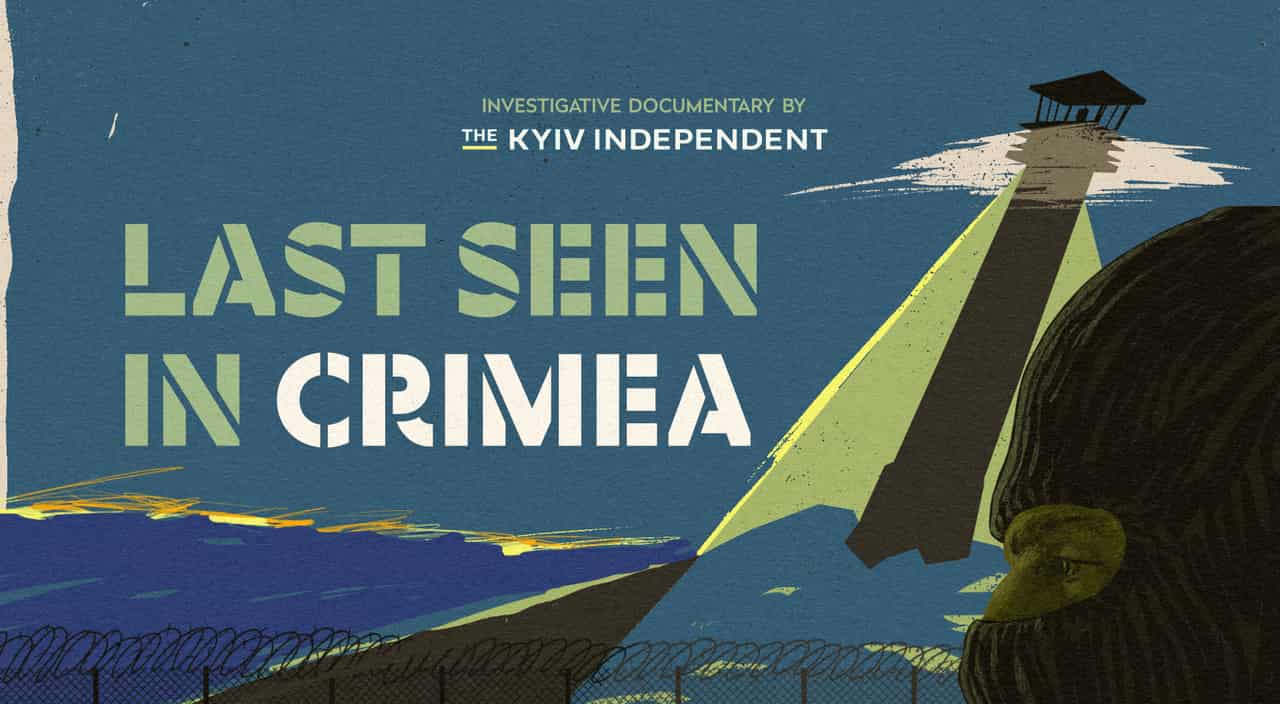
The Kyiv Independent's War Crimes Investigations Unit has released a documentary titled "Last Seen in Crimea," which investigates a system of detention in Russian-occupied Crimea where Ukrainian civilians are allegedly held without contact with the outside world, often without formal charges, and subjected to torture and abuse. The documentary was released online on Sept. 11, 2026.
The investigation reveals how Russia's system of political repression in Crimea, established since the 2014 occupation, has expanded to include civilians taken from territories occupied after Russia's full-scale invasion of Ukraine. The film focuses on two detention facilities in Simferopol: SIZO No. 2, operated by Russia's Federal Penitentiary Service, and the more secretive SIZO No. 8, which was transferred under FSB control in 2026.
Evidence suggests SIZO No. 2 has been used to hold Ukrainian civilians under abusive conditions, with Federal Security Service (FSB) personnel having access. SIZO No. 8 has remained largely closed to public scrutiny. The investigation identified Anton Panin, a former FSB investigator, as the apparent head of SIZO No. 8 shortly before it came under FSB control.
Film author Olesia Bida stated that a key goal was to identify individuals responsible for unlawful detention, ill-treatment, and torture. Survivors featured in the film include Anatolii, a businessman from Kherson Oblast, who was abducted and held in SIZO No. 2, and Crimean Tatar activist Nariman Dzhelyal, who was detained in 2021 and later released in a prisoner exchange.
Another story follows Tetiana Zelena, whose brother Serhii Lykhomanov was detained in SIZO No. 8 in December 2023, with his lawyer denied access. Human rights experts describe this status as incommunicado detention.
The Kyiv Independent interviewed 13 former detainees of SIZO No. 2 and obtained testimony from three others through their lawyers. The team also spoke with approximately two dozen relatives of those still in detention. Investigators cross-referenced leaked Russian databases, procurement records, and court documents to identify individuals involved.
According to Ukraine's Ombudsman Dmytro Lubinets, Russia is holding roughly 16,000 Ukrainian civilians across about 200 detention sites. Only around 450 have been returned home, and unlike prisoners of war, civilian detainees lack a functioning exchange mechanism. The U.N. Human Rights Monitoring Mission in Ukraine has documented deaths of Ukrainian civilians in Russian captivity.