Key facts
- The Kremlin rejected a U.S.-backed proposal for a free economic zone in Ukraine's Donbas.
- Russia considers the Donbas region its territory.
- The proposal aimed to create a buffer zone under third-party administration.
- Ukraine, the U.S., and European partners drafted the peace plan.
- President Zelensky sees a potential window for peace talks before the U.S. presidential election campaign.
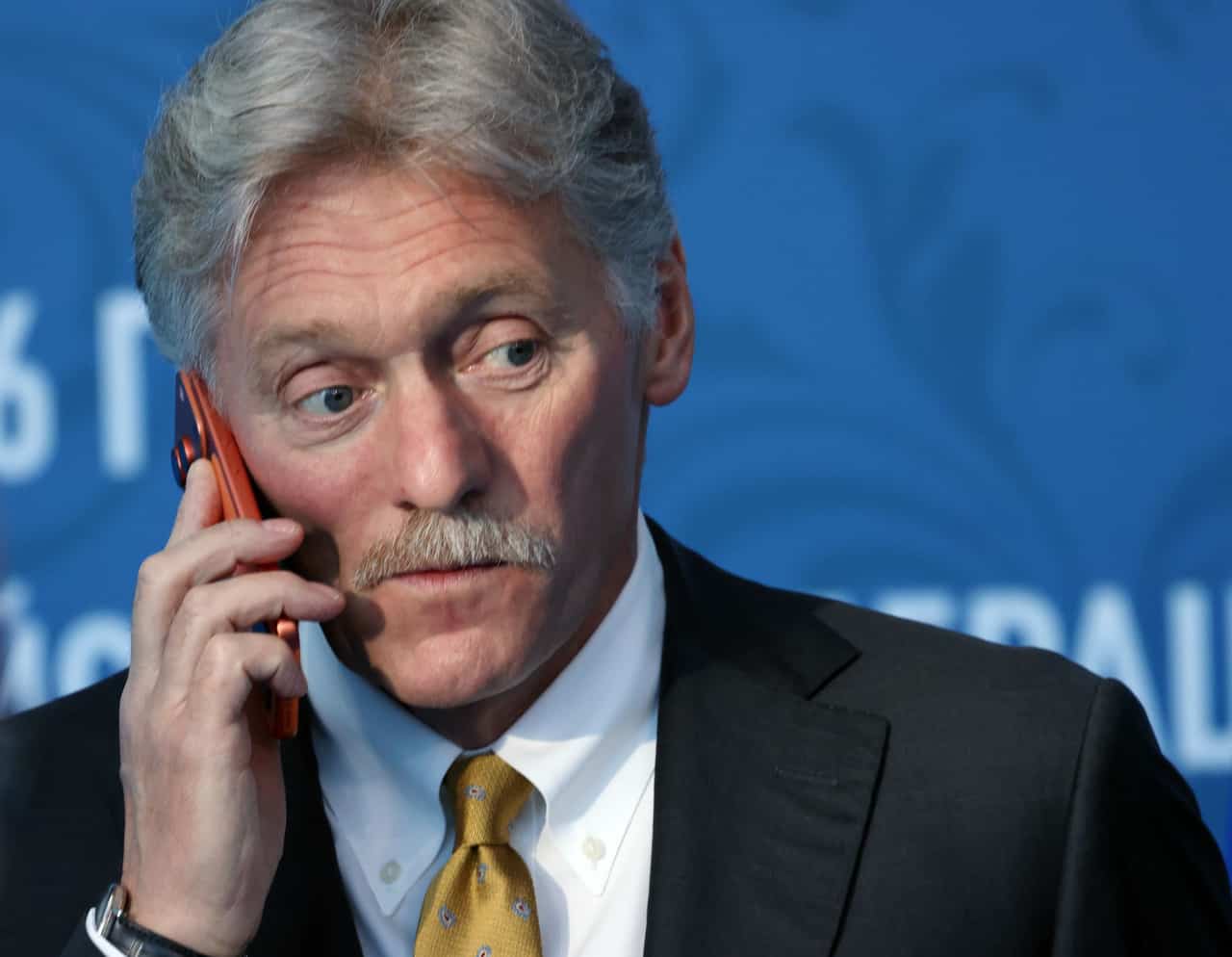
The Kremlin on August 25 rejected a proposal, backed by the U.S., to establish a free economic zone in Ukraine's Donbas region as part of a potential peace deal. Kremlin spokesperson Dmitry Peskov told journalists that it was "unlikely that any third party could administer Russia's regions," emphasizing Moscow's claim over the territory.
Russia considers the partially occupied Donbas, which comprises the Donetsk and Luhansk oblasts, as its own territory and has incorporated this stance into its constitution. This demand for Kyiv to cede control of areas still held by Ukraine remains a significant obstacle in ongoing peace negotiations, while Ukraine advocates for a ceasefire along current front lines.
President Volodymyr Zelensky had previously stated that a one-page peace plan, developed by Ukraine, the U.S., and European partners, included Washington's suggestion for a buffer zone in Donbas. Zelensky explained that this would involve both sides taking equal steps back to create a buffer, referred to as a free economic zone, under unspecified third-party administration. The peace proposal also reportedly includes a ceasefire and defines the roles for NATO and the EU in the peace process.