Key facts
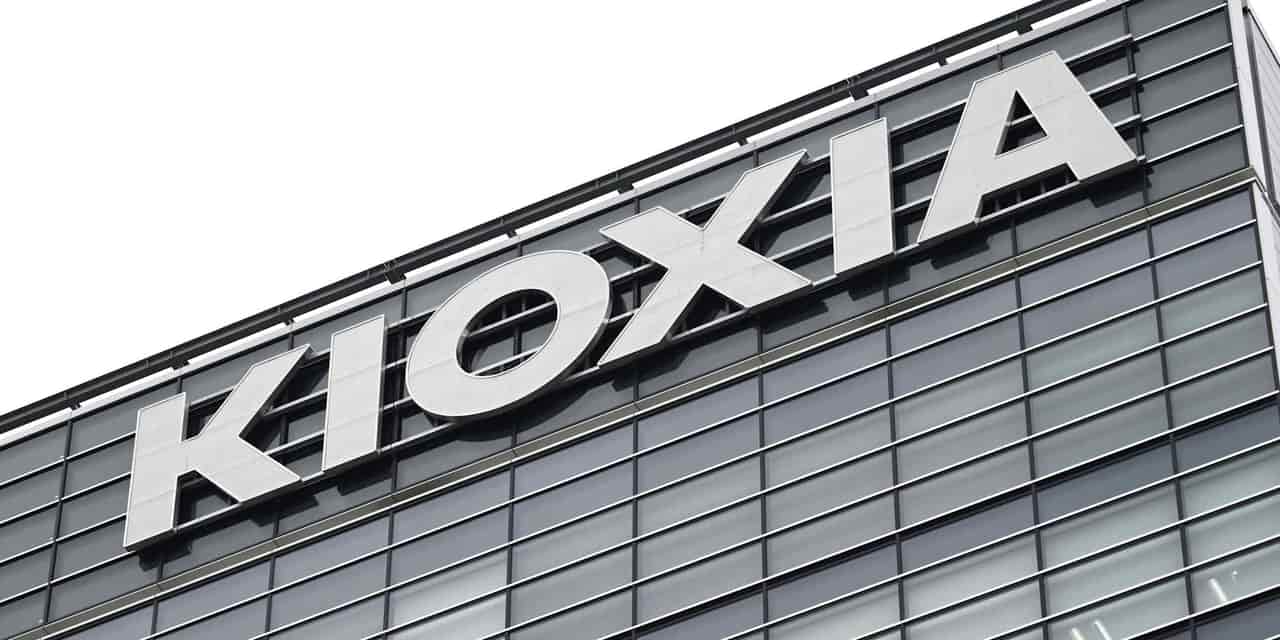
- Kioxia Holdings shares plunged 16% on Friday.
- The sell-off is attributed to concerns about the sustainability of the AI rally and investors unwinding leverage.
- Kioxia's market value has halved since its June peak, losing approximately $185 billion.
- The Japanese memory chipmaker had previously seen a year-to-date rally of over 600%.
- Other major Asian chipmakers, including TSMC, Samsung Electronics, and SK Hynix, also experienced significant declines.
- South Korean regulators tightened rules on single-stock leveraged exchange-traded funds.
Asia's leading AI chip stocks are experiencing significant declines as investors reassess lofty valuations and unwind leveraged positions. Kioxia Holdings, a Japanese memory chip manufacturer, saw its shares plummet 16% on Friday, hitting its daily trading limit. This sell-off follows an overnight decline in U.S.-listed memory stocks and comes after Kioxia had been one of the best-performing non-U.S. stocks in the first half of the year, soaring 631% and briefly becoming Japan's most valuable listed company.
The company's market value has halved since its June peak, erasing approximately 30 trillion yen, or $185 billion. The broader regional market also felt the impact, with Taiwan Semiconductor Manufacturing Co. (TSMC) falling over 5% despite reporting a 77% surge in second-quarter profits. South Korean giants Samsung Electronics and SK Hynix have already seen their stock prices drop about one-third from their respective peaks this year.
This market reversal is partly attributed to South Korean regulators' decision to tighten rules on single-stock leveraged exchange-traded funds. These measures are aimed at curbing excessive speculation in a market that had been fueled by heavy retail participation and leveraged bets, particularly in AI-related names. Economist Mohamed El-Erian noted the delicate balance South Korean authorities face in managing inflation while preventing excessive financial volatility that could lead to disorderly deleveraging.