Key facts
- Kazakhstan held a snap parliamentary election on August 23, 2026.
Kazakhstan held a snap parliamentary election under a new constitution, widely expected to strengthen President Kassym-Jomart Tokayev's control. The newly formed Adilet party, representing the old guard and led by Tokayev's aides, is projected to win a significant majority.
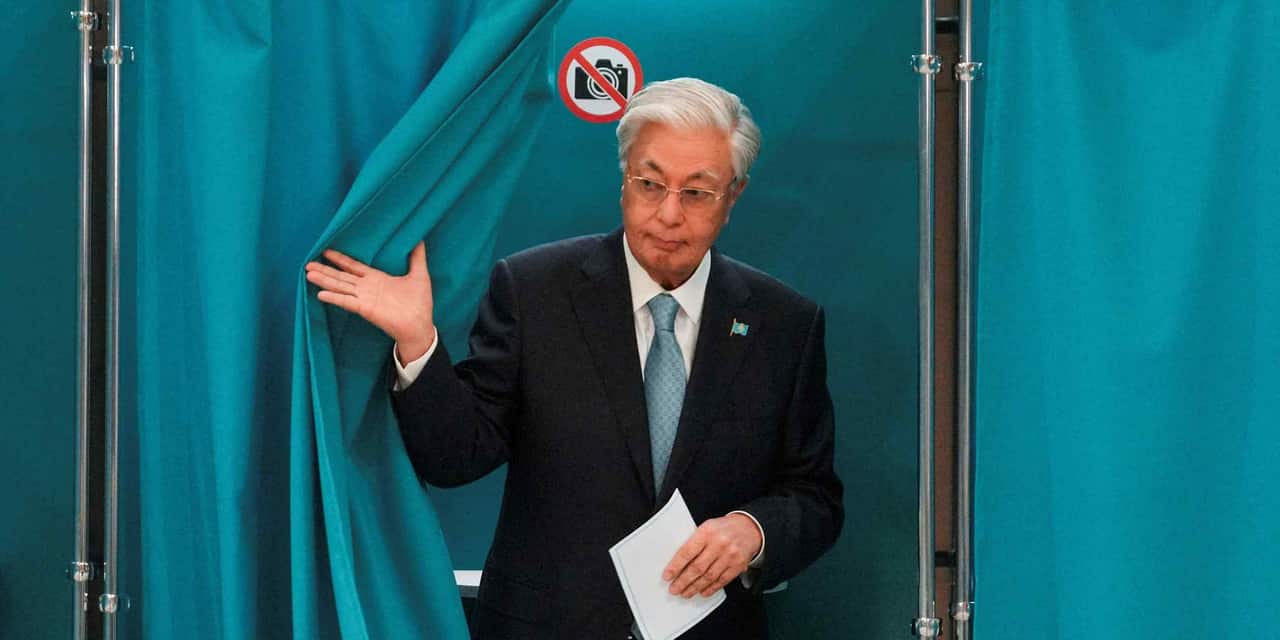
The election solidifies President Tokayev's grip on power, potentially impacting Kazakhstan's domestic reforms, its geopolitical alignment, and its role in global energy markets.
Kazakhstan held a snap parliamentary election on August 23, 2026, the first under a new constitution designed to streamline the legislature and consolidate President Kassym-Jomart Tokayev's authority. The newly formed Adilet party, which absorbed the long-standing ruling party Amanat and is led by Tokayev's top aides, is widely expected to secure a significant majority in the single-chamber parliament. Opinion polls indicated strong support for Adilet, with analysts suggesting that while the election may remove figures associated with former President Nursultan Nazarbayev, substantial political reform is unlikely.
The constitutional changes, approved by referendum in March, also effectively nullified Tokayev's previous terms, paving the way for him to seek another seven-year presidential term. The election follows a period of unrest in 2022, which Tokayev described as a coup attempt by Nazarbayev loyalists. Despite economic growth, citizens like fruit seller Atapsha expressed a desire for improvement, having waited decades for better living standards.
Kazakhstan plays a role in global energy markets, accounting for about 2% of daily world oil supply, with exports often routed through Russia's Caspian Pipeline Consortium. This pipeline has faced periodic disruptions due to drone attacks, impacting exports to European countries. The nation has also seen trade flow rerouting due to the war in Ukraine, though this has coincided with inflationary pressures.
Pick the topics you care about. Get only what matters, on your cadence.