Key facts
- A US federal judge ruled that Osama Abu Irshaid's Fourth Amendment rights were violated by customs officers.
- Abu Irshaid's phones were seized and searched on two occasions in 2024.
- The court found that the government lacked reasonable suspicion for the searches.
- The House Oversight Committee's letter accusing AMP of 'pro-Hamas propaganda' was deemed irrelevant to the customs search.
- A photo of Abu Irshaid on a Hamas-affiliated website was also considered, with Abu Irshaid stating it was published without his consent.
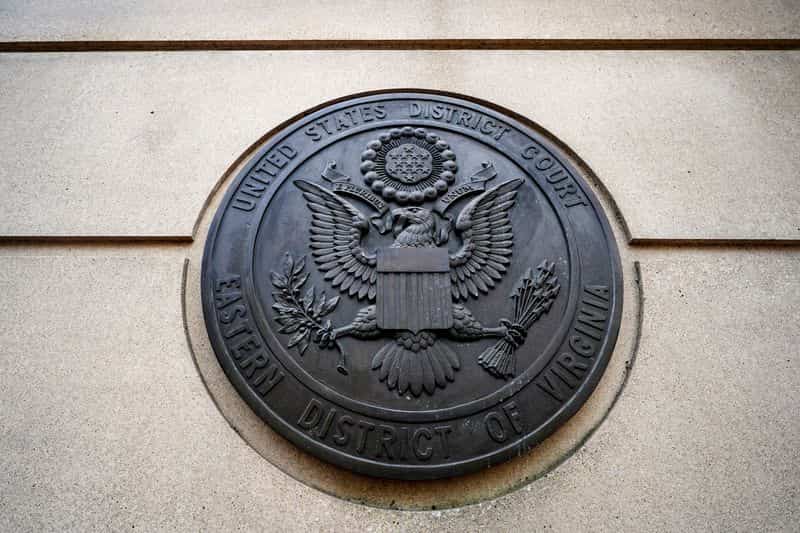
A US federal judge has ruled that Customs and Border Protection (CBP) officers illegally searched and seized the phones of Palestinian-American academic and activist Osama Abu Irshaid on two occasions in 2024. The US District Court for the Eastern District of Virginia determined that the searches violated Abu Irshaid's Fourth Amendment rights, as the evidence presented by the government did not demonstrate reasonable suspicion of ongoing criminal activity.
Abu Irshaid, who is the executive director of American Muslims for Palestine (AMP), had his devices searched upon returning from trips to the Middle East. The CBP officers cited a letter from the Republican-led House Oversight Committee accusing AMP of 'pro-Hamas propaganda' and an old photo of Abu Irshaid on a website linked to Hamas's military wing as justification. However, the judge ruled that the congressional letter was not a valid basis for the search due to the constitutional separation of powers, and Abu Irshaid stated the photo was published without his consent.
Abu Irshaid's legal representation, the Council on American-Islamic Relations (CAIR), welcomed the ruling, alleging that Abu Irshaid had been placed on a discriminatory watchlist. CAIR noted that Abu Irshaid had experienced secondary screenings at US airports for years, particularly from 2010 to 2017 and again since 2023, which they believe is connected to his status on the secret 'Terrorism Screening Database'.