Key facts
- JERA is partnering with Dell and a U.K. AI cloud provider to build a $15 billion data center in Chiba prefecture, Japan.
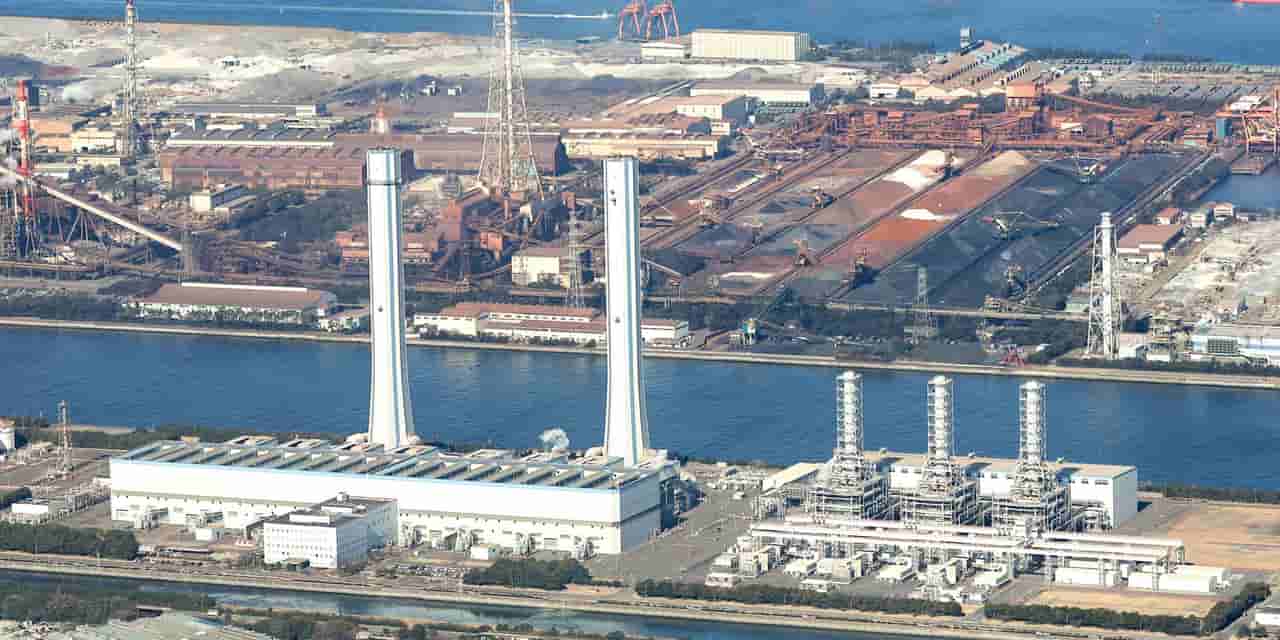
- The data center will be located next to JERA's thermal power plant to mitigate grid pressures.
- Japan's data centers are projected to consume electricity equivalent to 15 million to 18 million households by 2034.
- Hyperscalers are investing $28 billion in Japan's data center market, with Oracle, Google, and Microsoft selected as official cloud providers.
- Data center peak demand in Japan is expected to reach 6.6 GW to 7.7 GW by 2034, a threefold increase from 2024 levels.
- JERA is also building a $3 billion gas-fired power plant for a co-located data center in the United States.
JERA, Japan's largest power producer, is collaborating with U.S. technology firm Dell and a U.K.-based artificial intelligence cloud provider to construct a $15 billion data center. The facility will be built adjacent to JERA's thermal power plant in Chiba prefecture, aiming to alleviate potential strain on the national power grid as Japan rapidly expands its AI infrastructure.
This move aligns with a broader trend of significant investment in AI power infrastructure. JERA is also developing a $3 billion gas-fired power plant in the United States to support a co-located data center, responding to the escalating demand driven by U.S. tech giants' investments in artificial intelligence.
According to Wood Mackenzie analysis, Japan's data centers are projected to consume electricity equivalent to 15 million to 18 million households by 2034, accounting for 60% of the country's total power demand growth. Hyperscalers are expected to invest $28 billion (4 trillion yen) in the sector, following the government's selection of Oracle, Google, and Microsoft as official cloud providers. Peak demand from data centers is anticipated to reach 6.6 GW to 7.7 GW by 2034, a threefold increase from 2024 levels.
However, infrastructure bottlenecks pose a challenge, with combined-cycle gas turbine projects typically requiring seven to 10 years for completion, contrasting with hyperscalers' preference for deployment schedules under five years. This disconnect is pushing major data center and chip foundry projects toward 2029. Electricity demand is expected to be concentrated in the Tokyo and Kansai regions, where data centers are anticipated to account for 7% of the power load by 2030. Despite this, immediate power shortages are unlikely as reserve margins remain above 15%. The reliance on fossil fuels for baseload power presents a decarbonization challenge for hyperscalers pursuing carbon-neutral commitments.