Key facts
- Japan plans to reclassify jobs under its specified skilled worker program to continue hiring without raising the overall entrance cap.
- The government aims to maintain hiring in sectors like nursing care and food service.
- The specified skilled worker visa status for the restaurant industry hit its 50,000-person cap in April 2026, leading to a halt in new intake.
- A coalition agreement between the LDP and Ishin no Kai includes incorporating quantitative management of foreign worker numbers.
- Japan's foreign worker numbers reached a record 2.57 million as of October 2025, about one in every 29 workers.
Japan is navigating a complex situation regarding its foreign worker system, seeking to balance the demands of industries facing labor shortages with political pressure for stricter intake controls. The government is considering reclassifying certain job categories within the "specified skilled worker" program to allow continued hiring in sectors like nursing care and food service without exceeding the overall national cap.
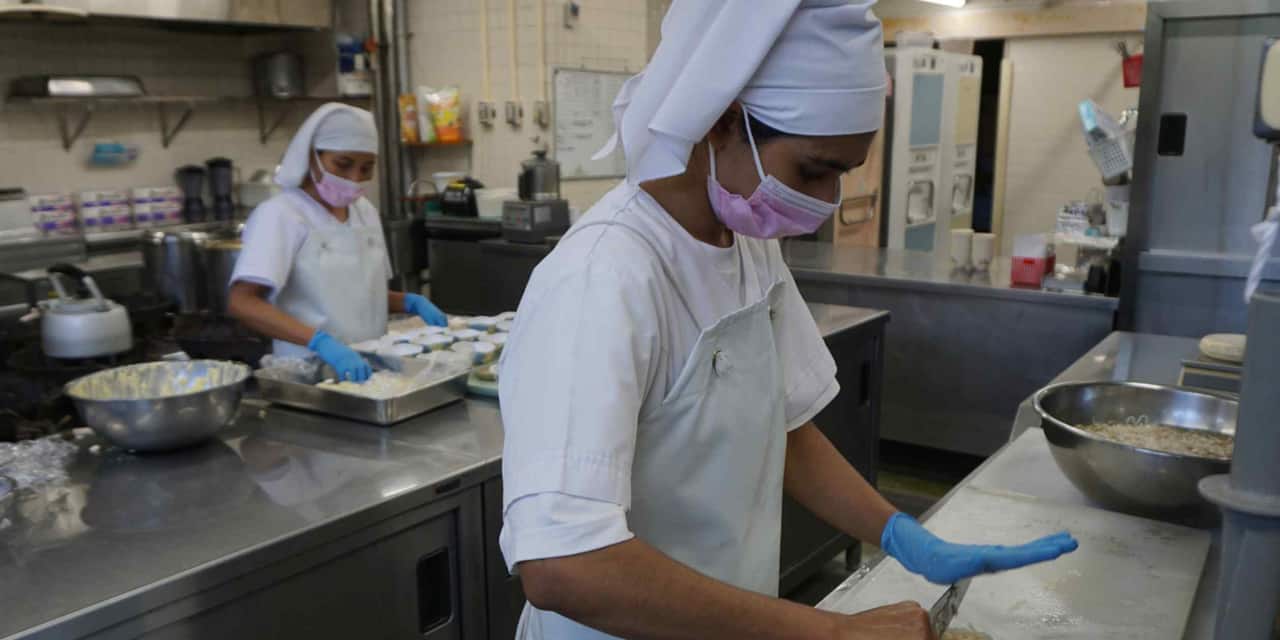
The "specified skilled worker" visa status has seen rapid uptake, with the cap for the restaurant industry being reached ahead of schedule in April 2026, leading to a suspension of new admissions. This situation highlights a disconnect between the government's set quotas and the actual labor needs of businesses.
Political divisions are evident, with the Liberal Democratic Party (LDP) favoring a more open approach to accommodate industries reliant on foreign labor, while Ishin no Kai advocates for "quantitative management"—a strict cap on foreign worker numbers—to prevent potential friction with Japanese society. A coalition agreement from October 2025 included provisions for such quantitative management, but the LDP has shown reluctance to fully implement it.
In January 2026, the government approved a policy setting a ceiling of 1,231,900 foreign workers through fiscal year 2028. This includes 805,700 under the existing Specified Skilled Worker (i) status and 426,200 under a new system, Ikusei Shūrō, starting in April 2027. Notably, the cap for Specified Skilled Worker (i) was revised downward from previous estimates, reflecting an emphasis on stricter residency management.
As of October 2025, Japan hosted a record 2.57 million foreign workers, representing approximately one in every 29 workers, a significant increase from fifteen years prior. The 19 fields covered by the Specified Skilled Worker program include critical sectors like nursing care, construction, manufacturing, and food service, with three new fields added: linen supply, logistics warehousing, and resource circulation.