Bank of Japan policymakers debated the necessity of further interest rate hikes to combat escalating price risks, even after raising borrowing costs to a 31-year high in June. Minutes from the June meeting revealed that several board members believed consumer inflation would significantly increase in the latter half of the fiscal year due to planned price hikes across a wide range of goods.
Concerns were voiced that inflationary pressures would persist even if Middle East conflict-related oil prices declined, owing to elevated shipping and storage costs for alternative supply sources. The central bank had previously raised its policy rate to 1% in June, driven by rising fuel costs from the Middle East conflict, a weak yen, and a tight labor market.
Additionally, two board members advocated for more rapid interest rate increases to bring the BOJ's policy rate closer to a neutral level for the economy. Most members observed that the pass-through of high oil prices had occurred swiftly in business-to-business transactions and was likely to extend to consumer prices across various items. They expressed greater concern about the risk of inflation accelerating further.
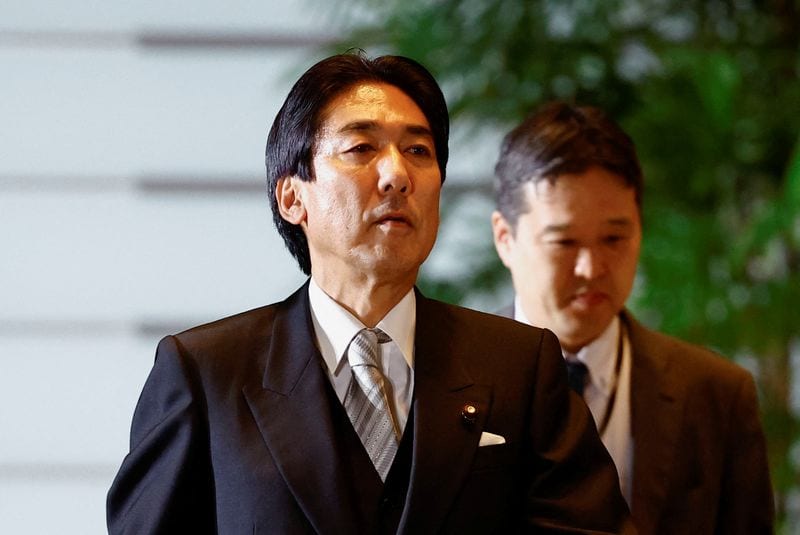
In a subsequent meeting in July, the BOJ maintained its interest rates but indicated that future policy discussions would center on upside price risks, signaling the possibility of a rate hike as early as September. Meanwhile, Japan's Economy Minister Minoru Kiuchi stated that the impact of rising costs on consumer prices has been limited, though vigilance is required.