Key facts
- MMX mission aims to be the first to return samples from Mars' moon Phobos.
- The mission will explore the origin of the Martian moons and the evolution of the Mars system.
- The mission will also develop technology for future human exploration of the Martian sphere.
- The total development cost for the mission is 55.3 billion yen ($350 million).
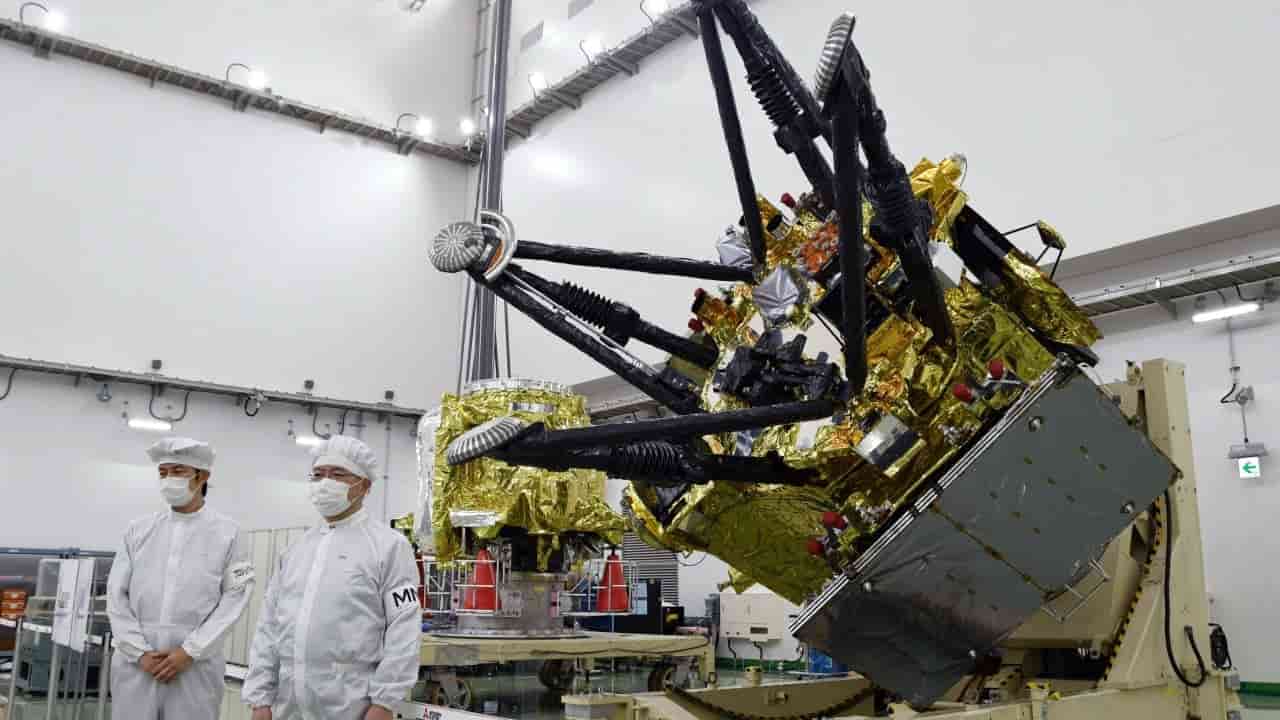
Japan is preparing to launch the Martian Moons eXploration (MMX) mission, a pioneering effort to retrieve samples from Phobos, one of Mars' moons. This uncrewed mission, led by the Japan Aerospace Exploration Agency (JAXA) in collaboration with US and European space agencies, aims to shed light on the origins of the Solar System and life on Earth. The MMX probe is scheduled to launch in autumn 2026 aboard an H3 rocket from the Tanegashima Space Center. The mission's primary objective is to collect at least 10 grams of regolith from Phobos' surface and return it to Earth by the fiscal year ending March 2032. This endeavor is intended to clarify the formation of the Martian system and the Solar System, explore the beginnings of life, and develop technologies crucial for future human deep-space exploration.