Key facts
- Prime Minister Sanae Takaichi uses her official residence as a workplace to maximize efficiency.
- Takaichi claims to sleep between zero and three hours per night.
- She has reinforced office functions at the residence for remote or in-person meetings.
- Her work habits have drawn criticism regarding work-life balance and gender equality.
- Takaichi has been reportedly avoiding parliamentary sessions and communicating via X.
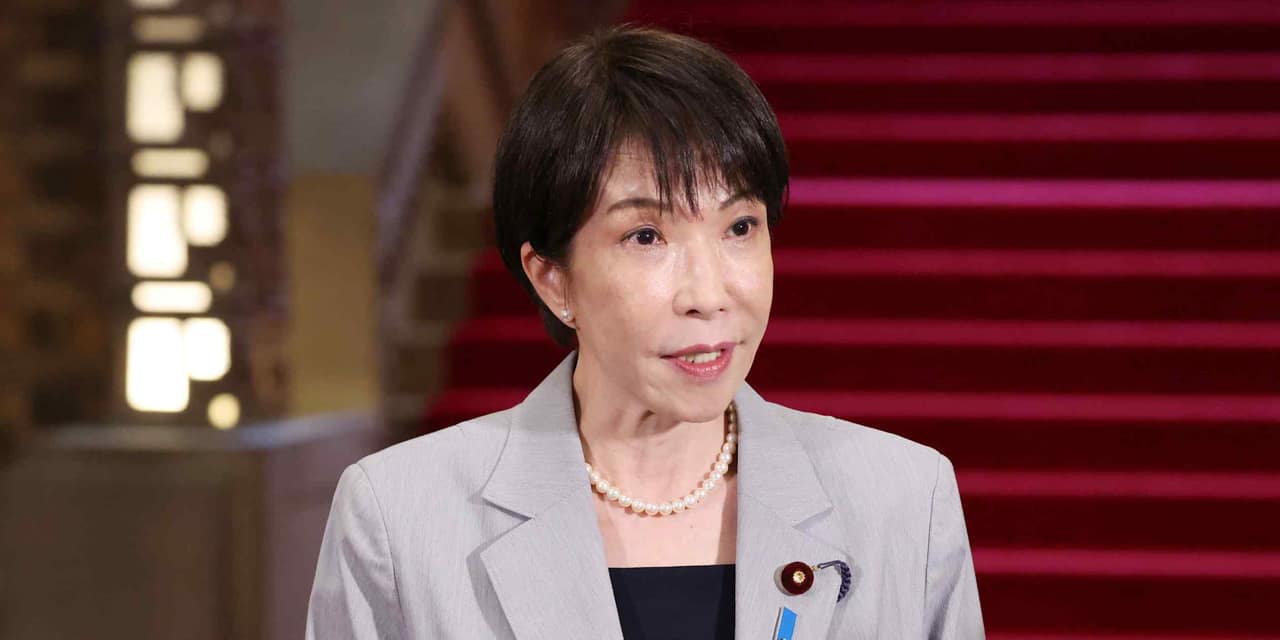
Japanese Prime Minister Sanae Takaichi has defended her demanding work schedule and her practice of spending long hours at her official residence, stating it is to maximize efficiency. Takaichi, who moved into the residence in December, has reinforced its office functions to allow for remote or in-person meetings with staff, even after office hours, and takes documents home to read. She stated that the proximity to her office requires no commute and allows her to immediately address work in times of emergency. Takaichi has previously claimed to sleep between zero and three hours per night, a revelation that, coupled with her heavy workload and homemaking duties, has triggered criticism that she is setting a poor example for work-life balance and gender equality in Japan. Media reports have also suggested that Takaichi avoids parliamentary sessions and communicates policies via X rather than engaging with the media. She recounted an anecdote about encountering cockroaches at the residence, rather than ghosts, despite its historical reputation.