Key facts
- Japan plans to allocate approximately 100 billion yen ($628 million) to support domestic companies in acquiring undersea cable-laying ships.
- The move is intended to enhance Japan's economic security and competitiveness in the global telecommunications infrastructure market.
- NEC, a key Japanese player, plans a significant five-year investment in its undersea cable business.
- The initiative seeks to address NEC's reliance on chartered vessels compared to competitors who own their fleets.
- Undersea cables are increasingly viewed as critical national security infrastructure.
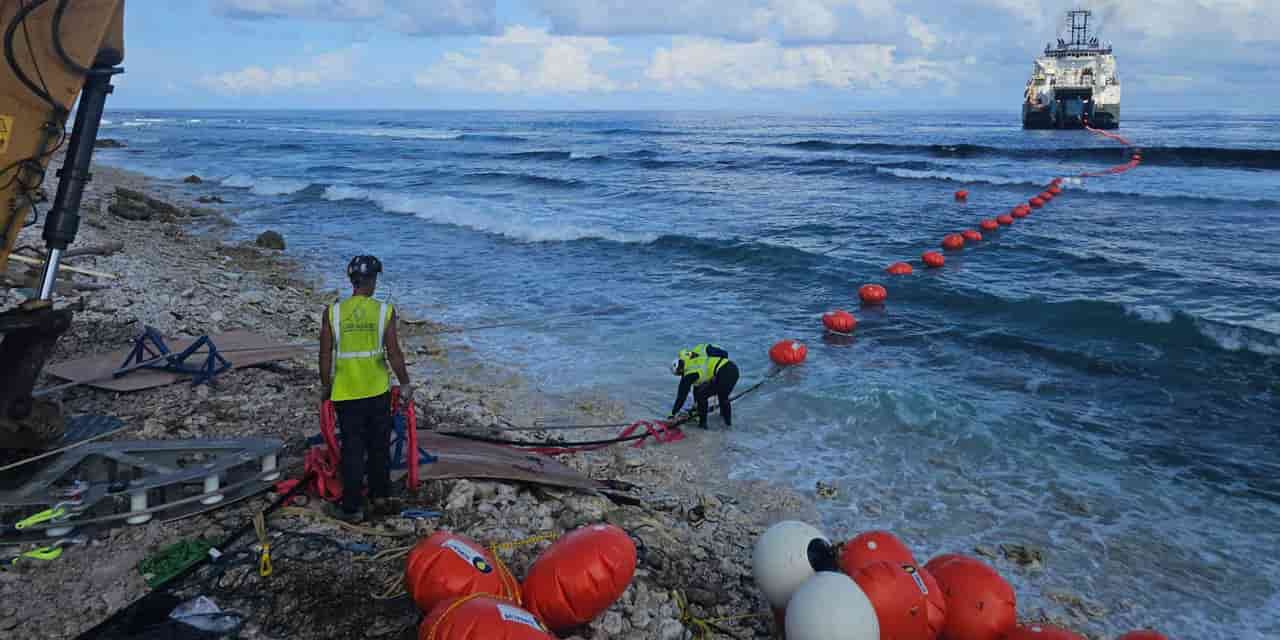
Japan is preparing to allocate approximately 100 billion yen, equivalent to $628 million, to support domestic companies in acquiring ships capable of laying undersea telecommunication cables. This strategic move is driven by rising costs, increasing competition from China, and the growing recognition of undersea cables as vital national security infrastructure.
NEC, a prominent Japanese technology group, is set to invest over 100 billion yen ($629 million) in its undersea cable business over the next five years. This investment aims to capture greater market share and bolster its capabilities in the face of geopolitical threats. Currently, NEC relies on chartered vessels, unlike its major global rivals—U.S.-based SubCom, France's Alcatel Submarine Networks, and China's HMN Tech—which possess their own cable-laying fleets. The Japanese government is reportedly considering subsidies to help NEC bridge this gap and acquire its own ships.
NEC has a significant presence in the Asian market, having installed more than 400,000 kilometers of cables worldwide. The company also specializes in producing armoured cables designed for enhanced resilience against sabotage, a capability increasingly relevant in the current geopolitical climate.