Key facts
- Japanese government bond yields hit a 30-year high.
- The yen weakened against the dollar following Fed Chair Kevin Warsh's remarks.
Japanese government bond yields surged to a 30-year high, while the yen weakened significantly against the dollar. This movement follows hawkish remarks from Federal Reserve Chair Kevin Warsh at Jackson Hole, suggesting potential further interest rate hikes.
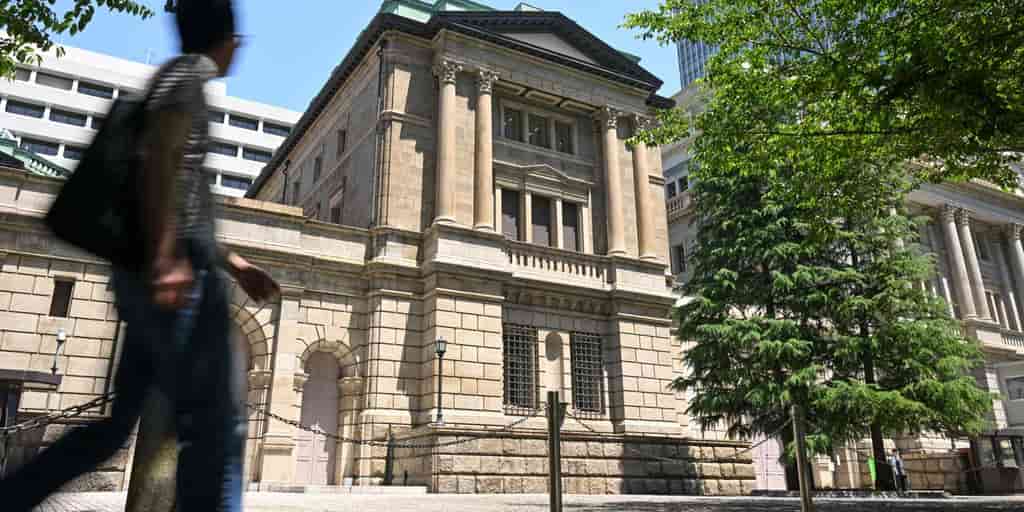
The rise in Japanese bond yields and the weakening yen reflect market anticipation of continued hawkish monetary policy from the U.S. Federal Reserve, potentially impacting global currency markets and Japanese investment strategies.
Yields on benchmark Japanese government bonds reached a 30-year high on Monday, while the yen experienced renewed weakness. This market reaction followed hawkish signals from U.S. Federal Reserve Chair Kevin Warsh at the Jackson Hole symposium, which were interpreted as leaving the door open for potential further interest rate hikes. Warsh's comments fueled expectations of a higher chance of a September rate increase by the Fed.
In response to these developments, the yen fell past 160 per dollar for the first time since a joint intervention occurred. Japan's government revealed it had conducted $96 billion in yen-buying intervention during July and August. Meanwhile, Bank of Japan Deputy Governor Himino emphasized inflation risks but stopped short of hinting at an immediate rate hike.
Separately, Prime Minister Takaichi's approval rating in a Nikkei poll climbed four points to 62%, though public opinion remained divided on a planned temporary cut to food sales tax.
Pick the topics you care about. Get only what matters, on your cadence.