Key facts
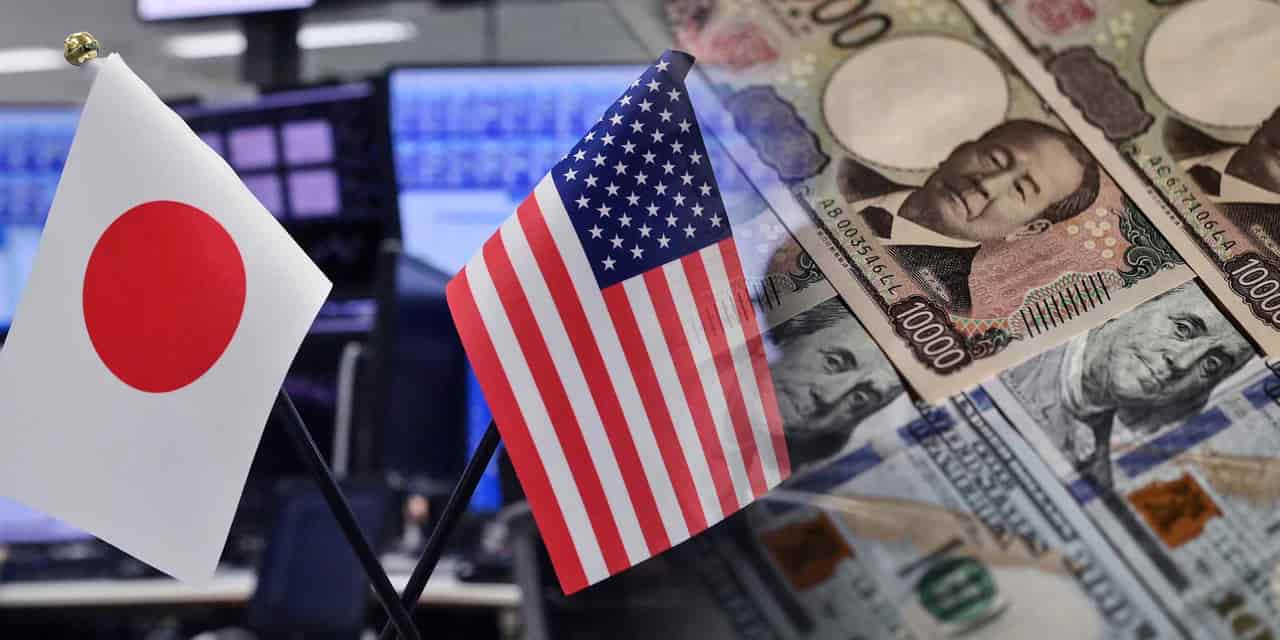
- Japan and the U.S. jointly intervened in the currency market to strengthen the yen.
- This marks the largest currency market intervention in 15 years and the first joint action between the two countries since 2011.
- The intervention was prompted by the yen hitting 40-year lows against the U.S. dollar.
- Estimates suggest the intervention may have amounted to up to $85 billion in the first two days.
- Japanese investors are now showing divided sentiment regarding investments in foreign bonds and equities following the intervention.
Japanese investors are exhibiting mixed sentiments towards foreign bonds and equities following a significant joint currency market intervention by Japan and the United States aimed at bolstering the yen. This coordinated effort, the largest in 15 years and the first since 2011, was initiated to counteract the yen's prolonged weakness, which had seen it reach 40-year lows against the dollar.
The intervention, estimated to be as much as $85 billion in its initial two days, was a response to a combination of factors. Domestically, Japan's policy mix, characterized by large spending plans and gradual interest rate hikes by the Bank of Japan, has been viewed as insufficient to contain rising inflation, leading to lower real returns and prompting investors to seek opportunities elsewhere or bet against the yen. Externally, a broader macroeconomic environment that has not significantly increased recession odds has reduced demand for safe-haven assets like the yen, while low FX volatility has favored carry trades where investors sell low-yielding currencies like the yen to buy higher-yielding ones.
This intervention has prompted a reassessment among Japanese investors regarding their exposure to foreign assets. While the authorities signal a determination to stabilize the currency and reinforce confidence, the divided investor sentiment highlights the uncertainty surrounding the long-term impact of such measures on global currency markets and investment strategies.