All NewsEducationTV
Equities & FundsCrypto & Digital AssetsAI & TechnologyBusiness & CorporateUS Politics & PolicyGeopolitics & Global RiskMacro, Rates & FXCommodities & EnergyEuropean Politics & MarketsAsia-PacificReal Estate & Property
All NewsHome
← Back to Real Estate & Property

Italy's Amatrice struggles to rebuild a decade after devastating earthquake

Created at 20 Aug · 6:04 AM1 source↑ Market-relevant
IN SHORT

Ten years after a 6.2-magnitude earthquake leveled Amatrice, Italy, the town's reconstruction is hampered by bureaucracy, legal disputes, and labor shortages. While progress has been made, many residents still live in temporary shelters, and the historic center remains largely inaccessible.

Key Numbers

237deaths in Amatrice from 2016 earthquake
303total deaths from the earthquake
€22.7 billionapproved reconstruction projects across disaster zone
€10 billiondisbursed for reconstruction to date
38%damaged properties restored in Amatrice
60%population still living in temporary shelters
1,000people living in temporary shelters
2016year of the devastating earthquake
2021year Giorgio Cortellesi elected mayor
12 monthsperiod of markedly increased building pace

Who's Involved

Giorgio Cortellesi
Mayor of Amatrice, survivor of the 2016 earthquake
Daniele Bonanni
Earthquake survivor and restaurant owner
Alfredo Perilli
Earthquake survivor facing financial difficulties due to lost property
Elisabetta Perilli
Earthquake survivor facing delays in rebuilding plans
Reuters
News agency reporting on the situation
Italy's Amatrice struggles to rebuild a decade after devastating earthquake

↳ Why This Matters

The slow and complex reconstruction of Amatrice highlights the persistent challenges faced by communities recovering from major natural disasters, including bureaucratic hurdles, financial strains, and the erosion of community ties over time. It underscores the difficulties in balancing historical preservation with modern needs and the long-term impact on residents' lives.

Key facts

  • A 6.2-magnitude earthquake in 2016 devastated Amatrice, Italy, killing 237 residents and destroying the historic center.
  • Reconstruction efforts are ongoing, with 38% of damaged properties in Amatrice restored.
  • Many residents (around 60%) still live in temporary prefabricated shelters.
  • Bureaucracy, legal disputes, and the 'Superbonus' scheme have significantly delayed rebuilding.
  • The mayor questions the decision to largely recreate the town in its former image, suggesting a modern redesign was missed.

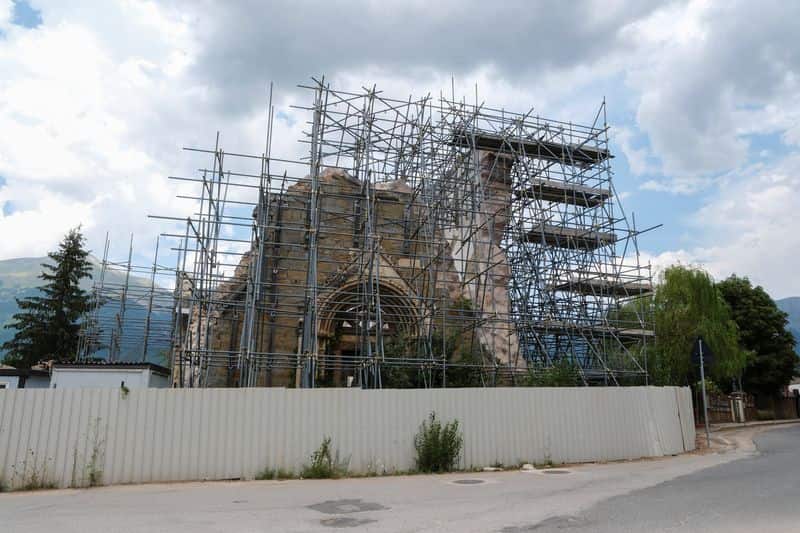
Ten years after a devastating 6.2-magnitude earthquake leveled the central Italian town of Amatrice, killing 237 people and leaving thousands homeless, the reconstruction process remains slow and fraught with challenges. Mayor Giorgio Cortellesi, a survivor who lost his children's grandparents in the disaster, is working to fulfill his pledge to rebuild the town, but faces significant hurdles.

The state has committed substantial funds, approving €22.7 billion for reconstruction projects across the affected region, with €10 billion already disbursed. In Amatrice itself, 38% of damaged properties have been restored, and construction activity has increased notably in the past year. However, much of the historic center remains behind barriers, and only a fraction of the structures destroyed in 2016 have been rebuilt.

Many residents, approximately 60% of the population or about 1,000 people, continue to live in small, prefabricated shelters. The slow pace of rebuilding is attributed to a complex web of issues, including bureaucratic red tape, legal disputes, unresolved property claims, and the impact of the COVID-19 pandemic. Italy's "Superbonus" renovation scheme, intended to stimulate the economy, is cited as a major disruptor, driving up material costs and diverting labor to more lucrative projects elsewhere.

Rebuilding densely populated medieval neighborhoods has been further complicated by issues such as multiple property owners, inheritance disputes, and unresolved claims, turning every planning application into a legal challenge. Officials also cite fears of mafia interference in contract adjudications as a factor that has prolonged project timelines.

For some survivors, the struggle extends beyond the physical reconstruction. Daniele Bonanni, who lost several family members, chose to stay in Amatrice and runs a restaurant in a food village established for displaced businesses. He notes that while people once returned for summers, they now only visit for lunch, indicating a weakening generational bond with the town.

Siblings Alfredo and Elisabetta Perilli exemplify the financial and emotional toll. Alfredo is still obligated to pay a mortgage on his house, which no longer exists, while both lost their family restaurant and hotel. Their land is currently being used as an access route for hospital reconstruction, preventing them from submitting their own rebuilding plans. Elisabetta fears she will lose the strength to rebuild if delays persist.

Mayor Cortellesi reflects on the decisions made post-earthquake, questioning whether rebuilding the town largely in its original image was the right choice. He acknowledges that much of the medieval structure is gone, resulting in a "facsimile," and expresses a personal view that a modern redesign might have been more fitting given the complete destruction.

Frequently asked questions

The earthquake struck Amatrice in the early hours of August 24, 2016.

A total of 303 people died in the earthquake, with 237 deaths occurring in Amatrice.

The 'Superbonus' is a generous Italian renovation scheme intended to revive the economy, which has been criticized for driving up building material costs and siphoning off labor.

Approximately 38% of the damaged properties in Amatrice have been restored.

What Happens Next

01Reconstruction of the hospital site is scheduled to finish, potentially allowing the Perilli siblings to submit their rebuilding plans.
02Mayor Cortellesi continues to encourage residents and push for further reconstruction efforts.

How It Developed

A 6.2-magnitude earthquake struck Amatrice, Italy, on August 24, 2016, killing 237 people in the town and destroying much of its historic center.
The Italian state has approved €22.7 billion for reconstruction across the disaster zone, with €10 billion disbursed to date.
In Amatrice, 38% of damaged properties have been restored, with building accelerating in the past year.
Approximately 60% of the population, around 1,000 people, still reside in prefabricated shelters.
Reconstruction efforts have been slowed by bureaucracy, legal disputes, the COVID-19 pandemic, and the 'Superbonus' renovation scheme.
Complex ownership issues, inheritance disputes, and unresolved property claims have complicated planning applications.
Concerns about mafia interference have added scrutiny to contract adjudications.
Some survivors face financial burdens, such as paying mortgages on non-existent homes.

Sources

T1
A decade after earthquake, Italy's Amatrice struggles to rebuildReuters

Related Stories

Shanghai Eases Property Curbs to Boost Housing Demand
20 Aug · 5:16 AM
UK's largest water reuse system stalled by outdated regulations
19 Aug · 2:06 PM
US housing market faces persistent affordability challenges
19 Aug · 10:00 AM
Climate Change Could Cost London Up To £36 Billion Annually by 2050s
19 Aug · 11:26 PM
Barbican Conservatory Closes for 3-Year Renovation, Offers Plant Cuttings
20 Aug · 5:10 AM