Key facts
- Israel fears a US-Iran memorandum of understanding could weaken pressure on Tehran.
- Israeli media and officials expressed dismay at an agreement they fear will further empower Tehran.
- US President Donald Trump stated a deal to stop the war on Iran could be signed as early as Sunday.
- Iran is pushing for the US to unfreeze its assets and lift sanctions.
- Democratic lawmakers criticized the anticipated deal, with some calling it a "surrender document".
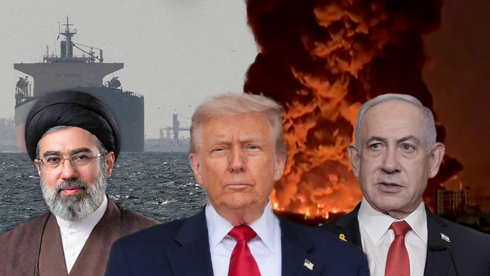
Israel is expressing significant concern over an anticipated US-Iran memorandum of understanding, fearing it could undermine pressure on Tehran and compromise regional war aims. Israeli media and officials have voiced dismay, suggesting the emerging deal will further empower Iran and that Israel had insufficient influence in shaping its content.
US President Donald Trump announced that a deal to end the war on Iran could be signed as early as Sunday, claiming the Strait of Hormuz would be reopened to all and that the US would eventually obtain Iran's nuclear material. Tehran, while indicating a signing could occur in the "coming days," rejected Trump's specific timeline. Iranian media reported the initial agreement would declare an end to the war on all fronts, including Lebanon.
As part of the negotiations, Iran is seeking the unfreezing of its assets, estimated to be worth over $100 billion, and the lifting of sanctions. Trump stated he agreed to unfreeze $24 billion, contingent on Iran meeting certain obligations, according to Vice President JD Vance. Reuters reported that the UAE had agreed to release up to $10 billion, though Abu Dhabi denied this.
Israeli columnists argued that Iran approached the negotiations from a position of strength, leveraging strategic economic pressures. A senior Israeli official described the impending deal as "troubling" and a "bad agreement." Meanwhile, Democratic lawmakers have criticized the potential deal, with some labeling it a "surrender document" and questioning its benefits given the war's costs. Republican lawmakers have largely focused on preventing Iran from obtaining nuclear weapons, though some expressed optimism about Trump's approach.
The specifics of the agreement remain ambiguous, with differing interpretations on key elements such as the conditions for reopening the Strait of Hormuz and the timeline for asset releases. Iran's Foreign Ministry spokesperson indicated that charging for services in the Strait of Hormuz is part of the understanding, a condition the US has not publicly endorsed.