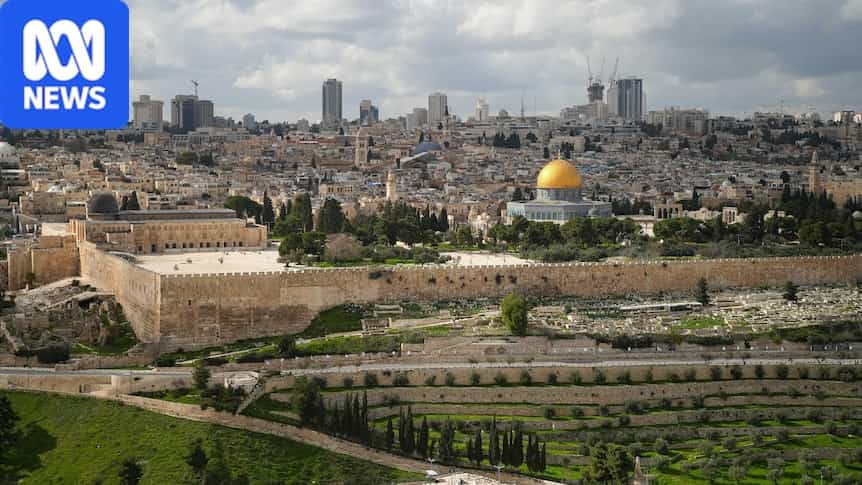
Israeli police have eased restrictions on Jewish prayer at the Al-Aqsa Mosque compound, permitting worshippers to bring prayer books, a move that violates the established "status quo" agreement administered by the Jordanian Waqf. This escalation saw Israel's far-right minister of national security, Itamar Ben-Gvir, join thousands of Jewish extremists who stormed the sensitive holy site, escorted by armed police. They prayed, waved the Israeli flag, and sang the national anthem, which the Palestinian ministry of religious endowments and affairs condemned as an attempt to "ignite a religious war."
Under the decades-old status quo, non-Muslim prayer is banned at the site, known to Muslims as al-Haram al-Sharif and to Jews as the Temple Mount. Ben-Gvir has been instrumental in eroding this agreement through inflammatory visits and unilateral rule changes for Jewish visitors. The prayers occurred near the Al-Aqsa Mosque and the Dome of the Rock shrine. Likud lawmaker Amit Halevi was among a group that raised Israeli flags and sang the national anthem. Ben-Gvir stated on social media that Jews praying there "feel like the owners."
The events coincided with the Jewish holy day of Tisha B’Av, marking the destruction of the first and second temples at the site. Changes to the status quo have historically fueled conflict, with a 2000 visit by Ariel Sharon igniting the second Palestinian intifada and Hamas citing Israeli violations at the mosque for its October 2023 attack. Peace Now called the prayers a "dangerous provocation." The Jordanian foreign ministry condemned the storming and urged international intervention. The Islamic Waqf Department reported 3,228 Israelis entered the compound during the morning, with thousands more expected.