Key facts
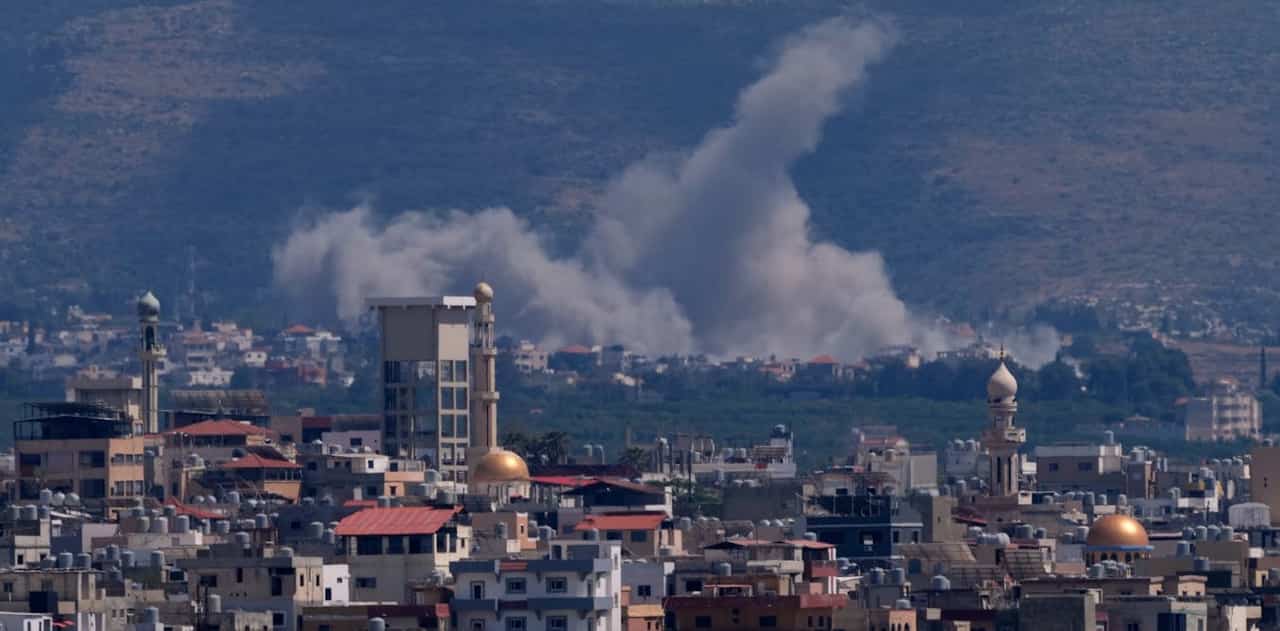
- The Israeli military announced the demolition of an alleged underground tunnel network near Beaufort Castle.
- Beaufort Castle is a UNESCO World Heritage Site in southern Lebanon.
- Lebanese President Joseph Aoun stated the detonations were a "direct threat" to a recent framework deal with Israel.
- Attacks on cultural heritage sites are prohibited under international law.
- Lebanon's Ministry of Culture has condemned the attacks and requested UNESCO's intervention.
The Israeli military announced it had destroyed an alleged underground tunnel network beneath the ridge of Beaufort Castle, a historic castle and UNESCO World Heritage Site in southern Lebanon. The military stated on X that "key features" of the tunnel network were demolished.
Beaufort Castle, known in Arabic as Qalaat al-Shaqif, is a medieval castle dating back over 900 years and has been a strategic vantage point overlooking parts of southern Lebanon and northern Israel. Israeli troops previously captured the castle in 1982 and held it until their withdrawal in 2000, and have since occupied it again starting in May.
The destruction of cultural heritage sites during conflict is often a deliberate tactic to claim power and territory. Attacks on cultural heritage are a violation of international law, including Article 15 of Protocol II of the Hague Convention and Article 8(2)(b)(ix) of the Rome Statute, which classify such acts as war crimes.
The city of Tyre, also a UNESCO World Heritage site, and the Citadel of Chamaa, which houses a shrine revered by both Christians and Muslims, have also reportedly been damaged or destroyed by Israeli actions. Lebanon's Ministry of Culture has condemned the attacks on cultural sites and submitted an urgent complaint to UNESCO, requesting intervention to protect the archaeological site of Chamaa Castle. The ministry noted that the Chamaa Castle site had been targeted multiple times previously, with restoration efforts undertaken with support from the Italian Agency for Development Cooperation.
Lebanese President Joseph Aoun said Friday that the Israeli army detonations near the castle were a "direct threat" to a recent framework deal agreed with Israel. Aoun stated the explosions "are an extremely dangerous escalation" and "represent a direct threat to the process which was launched as part of the framework agreement." He added that their timing ahead of another round of talks with Israel in Rome next week "sends negative messages."