All NewsEducationTV
Equities & FundsCrypto & Digital AssetsAI & TechnologyBusiness & CorporateUS Politics & PolicyGeopolitics & Global RiskMacro, Rates & FXCommodities & EnergyEuropean Politics & MarketsAsia-PacificReal Estate & Property
All NewsHome
← Back to Geopolitics & Global Risk

Iran warns regional nations against aiding US military actions

Created at 19 Aug · 6:51 AM1 source↑ Market-relevant
IN SHORT

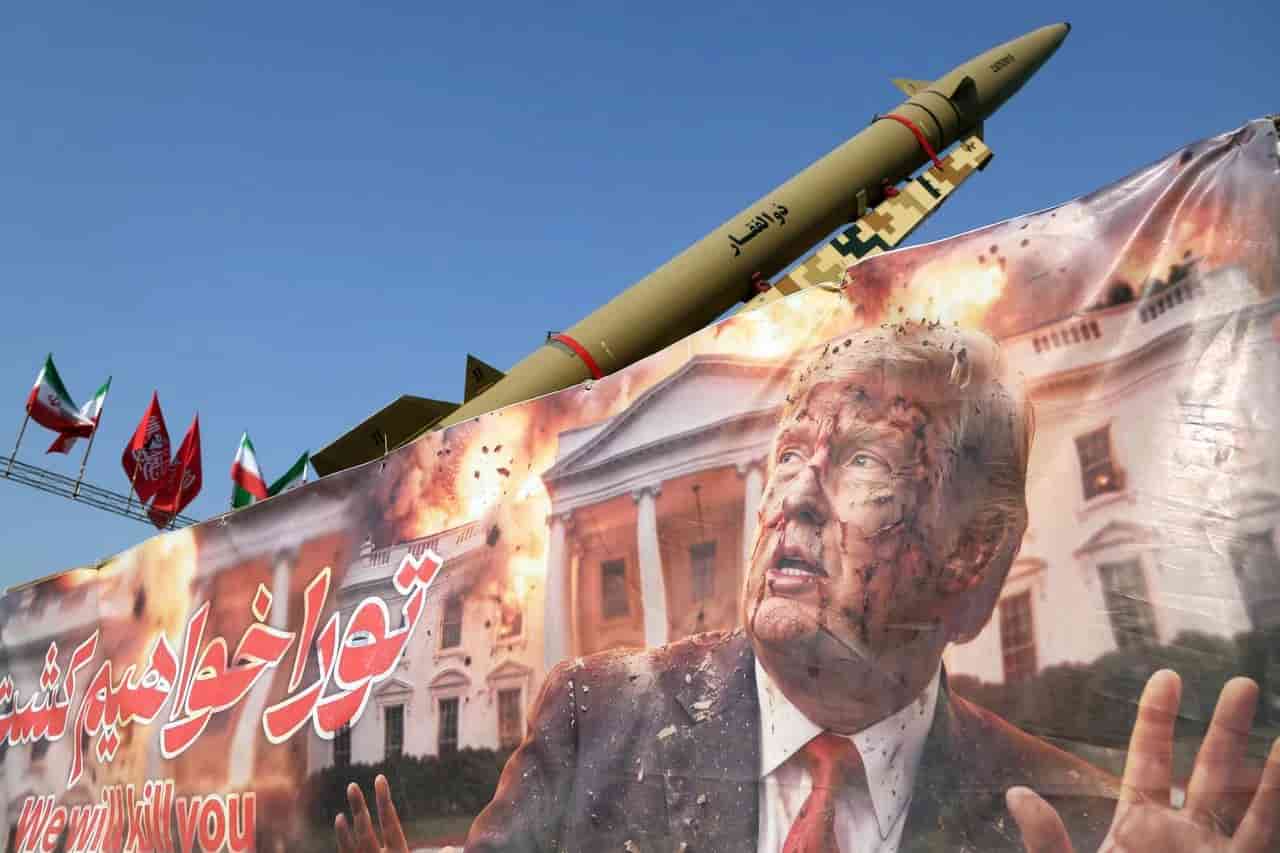
Iran's Chief of Staff of the Armed Forces, Maj. Gen. Ali Abdollahi, has warned neighboring countries against providing any assistance or facilitation to the U.S. military, stating such actions would be considered participation in U.S. aggression. The warning comes amid heightened regional tensions.
Key Numbers

$37.5bnUS Iran war cost estimate

Who's Involved

Ali Abdollahi
Chief of Staff of Iran's Armed Forces
Donald Trump
U.S. President
Abbas Araghchi
Iranian Foreign Minister
Jared Kushner
US envoy
JD Vance
US Vice President
Steve Witkoff
US envoy
Iran warns regional nations against aiding US military actions

↳ Why This Matters

Iran's warnings to regional nations about assisting U.S. military operations underscore the volatile geopolitical situation in the Middle East, potentially increasing pressure on countries with security cooperation with Washington and raising the stakes for regional stability.

Key facts

  • Iran's Chief of Staff of the Armed Forces, Maj. Gen. Ali Abdollahi, warned countries against assisting the US military.
  • Abdollahi stated that any facilitation to the US army would be considered participation with US forces.
  • Foreign Minister Abbas Araghchi also warned that countries supporting military action against Iran would be held accountable.
  • President Donald Trump said no talks with Iran were planned and the Strait of Hormuz remained open.
  • Iran reserves the right to respond under international law and self-defense.
  • Iran's Chief of Staff of the Armed Forces, Maj. Gen. Ali Abdollahi, has issued a stern warning to neighboring countries, particularly those on the southern shores of the Persian Gulf, against providing any assistance or facilitation to the U.S. military. Abdollahi stated that such actions would be viewed as direct participation alongside U.S. forces in any aggression against Iran, emphasizing that "nothing is hidden from our eyes."

    This warning comes amid heightened regional tensions and follows similar statements from Foreign Minister Abbas Araghchi, who indicated that countries supporting military action against Iran would face international responsibility and be held accountable for violating international obligations. Araghchi stressed Iran's right to self-defense under international law.

    Meanwhile, U.S. President Donald Trump asserted that no talks with Iran were underway or planned, and that the Strait of Hormuz remained open under a naval blockade. Reports suggest a strategic shift in U.S. policy towards Iran, moving from immediate "hammering" to a longer-term "strangle" approach. Despite Trump's statement, U.S. envoy Jared Kushner described communications between the U.S. and Iran as "more robust than ever."

    Tehran and Washington had previously agreed to a cease-fire and a memorandum of understanding aimed at peace, but the deal collapsed last month, leading to a period of exchanged attacks before Trump halted further bombardment.

    Frequently asked questions

    Iran considers any assistance or facilitation to the US army as tantamount to participation with US military forces and a serious violation of international obligations.

    President Donald Trump stated that no talks or conversations with Iran were underway or scheduled, and that the Strait of Hormuz remained open under a naval blockade.

    Iran reserves the right to take all necessary measures under the framework of self-defense and to respond to threats.

    What Happens Next

    01Further diplomatic developments are expected as countries monitor relations between Iran and the United States.
    02Governments with military partnerships involving the United States may face closer scrutiny from Tehran.

    How It Developed

    Iran's Chief of Staff of the Armed Forces, Ali Abdollahi, warned neighboring countries against allowing the US to use their territories to launch attacks against Iran.
    Abdollahi stated that any assistance or facilitation to the US army would be considered participation with US military forces.
    He specifically addressed countries on the southern shores of the Persian Gulf, asserting that Iran is aware of their actions.
    U.S. President Donald Trump stated that no talks with Iran were underway or planned, and that the Strait of Hormuz remained open.
    Foreign Minister Abbas Araghchi stated that any participation or assistance in aggression against Iran would create international responsibility for those countries.
    Araghchi emphasized that Iran reserves the right to take necessary measures under self-defense and that cooperation in such attacks would be a serious violation of international obligations.

    Sources

    T1
    Iran warns countries against 'assistance or facilitation' of US armyMiddle East Eye
    T2
    Iran warns countries against assisting in US attacksdailytimes.com.pk
    T2
    Iran warns Gulf countries over US military activity at regional basesturkiyetoday.com

    Related Stories

    Iran rejects UAE claims of missile launches
    18 Aug · 9:11 PM
    US considers Gulf troop withdrawal amid Iran war vulnerability
    18 Aug · 6:40 PM
    Trump disputes Iran on Hormuz Strait status, talks
    18 Aug · 9:06 AM
    Trump threatens Oman, mediator in Hormuz Strait tensions
    19 Aug · 2:40 AM
    Iran's Ghalibaf criticizes US pressure tactics in negotiations
    18 Aug · 6:16 PM