Key facts
- Iran suspended a 10% charge on freight fees for foreign vessels carrying energy products.
- The charge applied to imported or exported oil, gas, and liquid petroleum products.
- A US naval blockade has disrupted Iran's seaborne oil exports.
- The Strait of Hormuz has been largely blocked by Iran since February 28, 2026.
- Brent crude oil prices peaked at $126 per barrel in March 2026.
- US President Donald Trump threatened to destroy Iran's infrastructure if the strait was not reopened.
Iran has suspended a 10% charge on freight fees for foreign vessels carrying imported or exported oil, gas, and liquid petroleum products, the semi-official Fars news agency reported on Thursday. This action follows a period of significant disruption to the country's seaborne oil exports due to a US naval blockade.
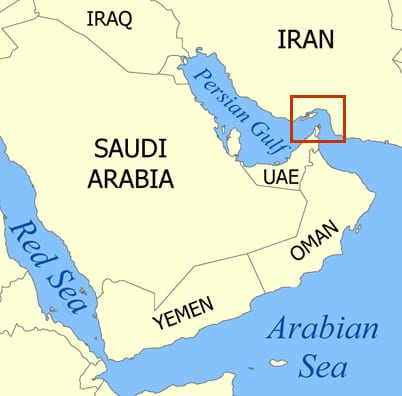
The broader crisis in the Strait of Hormuz, a critical chokepoint for global energy trade, began on February 28, 2026, when the United States and Israel launched an air war against Iran. In retaliation, Iran's Revolutionary Guard Corps (IRGC) issued warnings, boarded merchant ships, and laid sea mines, largely blocking passage through the strait. The US responded with a naval blockade of Iranian ports from April 13 to May 29, 2026.
Before the conflict, the Strait of Hormuz handled approximately 25% of the world's seaborne oil trade and 20% of its liquefied natural gas. The disruption led to a significant increase in oil prices, with Brent crude futures surpassing $100 per barrel in March 2026 and peaking at $126 per barrel. US President Donald Trump had previously threatened to destroy Iran's infrastructure if the strait was not reopened and proposed a 20% cargo fee for security costs in the waterway.