Key facts
- Iran's military doctrine has shifted to a pre-emptive, offensive posture.
- The shift is a response to perceived threats and lessons from recent conflicts.
- US President Donald Trump is increasing pressure on Iran with new sanctions.
- Iran has warned of a severe response to any new US threats.
- The US has sanctioned a Turkish bank for allegedly facilitating trade with Iran.
Iran has signaled a significant shift in its military strategy, moving from a defensive doctrine to one that embraces pre-emptive operations against perceived threats. Army spokesman Brigadier-General Mohammad Akrami Nia stated that the country's military doctrine has evolved based on lessons learned from recent conflicts, including a "12-day and 40-day war." This new posture involves preparing to respond to attacks with broader and faster retaliation, moving away from a purely defensive strategy.
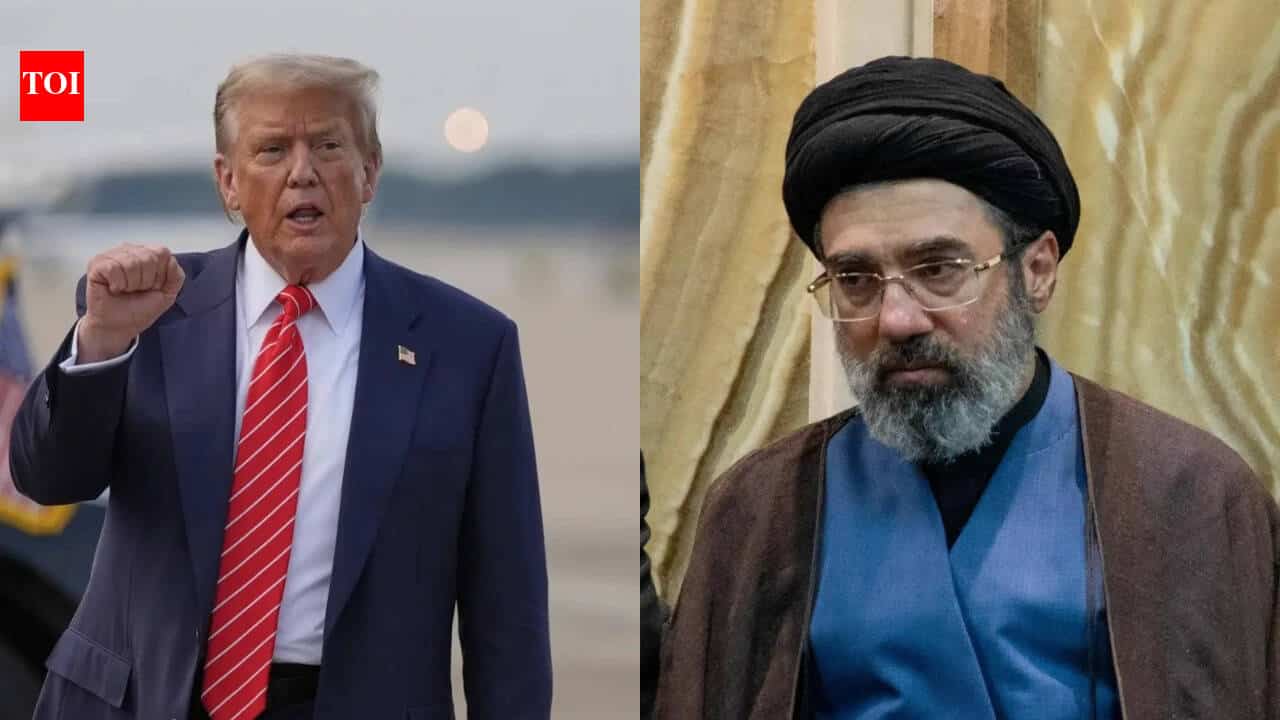
The change in military posture coincides with an escalation of pressure from the United States under President Donald Trump. Trump has intensified his warnings against Tehran and is preparing to announce what Treasury Secretary Scott Bessent described as the "toughest sanctions in history." These measures are intended to severely pressure the Iranian regime and potentially force it back to negotiations.
In response to the heightened US pressure, Iranian officials have issued strong warnings. Major General Ali Abdollahi, chief of staff of the Iranian Armed Forces, vowed a "crushing, punishing and devastating" response to any new US threats. Meanwhile, Vice President JD Vance indicated that the US does not consider itself to be in an active "war" with Iran, shifting the onus for de-escalation onto Tehran.
As part of its efforts to increase pressure, the US Treasury Department has sanctioned Turkish investment bank Golden Global Yatirim Bankasi and two subsidiaries, accusing them of facilitating trade between China and Iran's Islamic Revolutionary Guard Corps Quds Force. This marks the first bank in a NATO country targeted under the administration's latest sanctions campaign. Despite months of military strikes and a naval blockade, Iran has not yielded to US demands, and the Strait of Hormuz remains disrupted.