Key facts
- Iran's rial reached a record low of over 2 million to the U.S. dollar on open markets.
- The U.S. is preparing to announce further extensive sanctions against Iran.
- The currency's decline is attributed to ongoing sanctions, economic pressure, double-digit inflation, and stalled diplomatic efforts.
- A weaker rial increases the cost of imported goods and fuels demand for foreign currency.
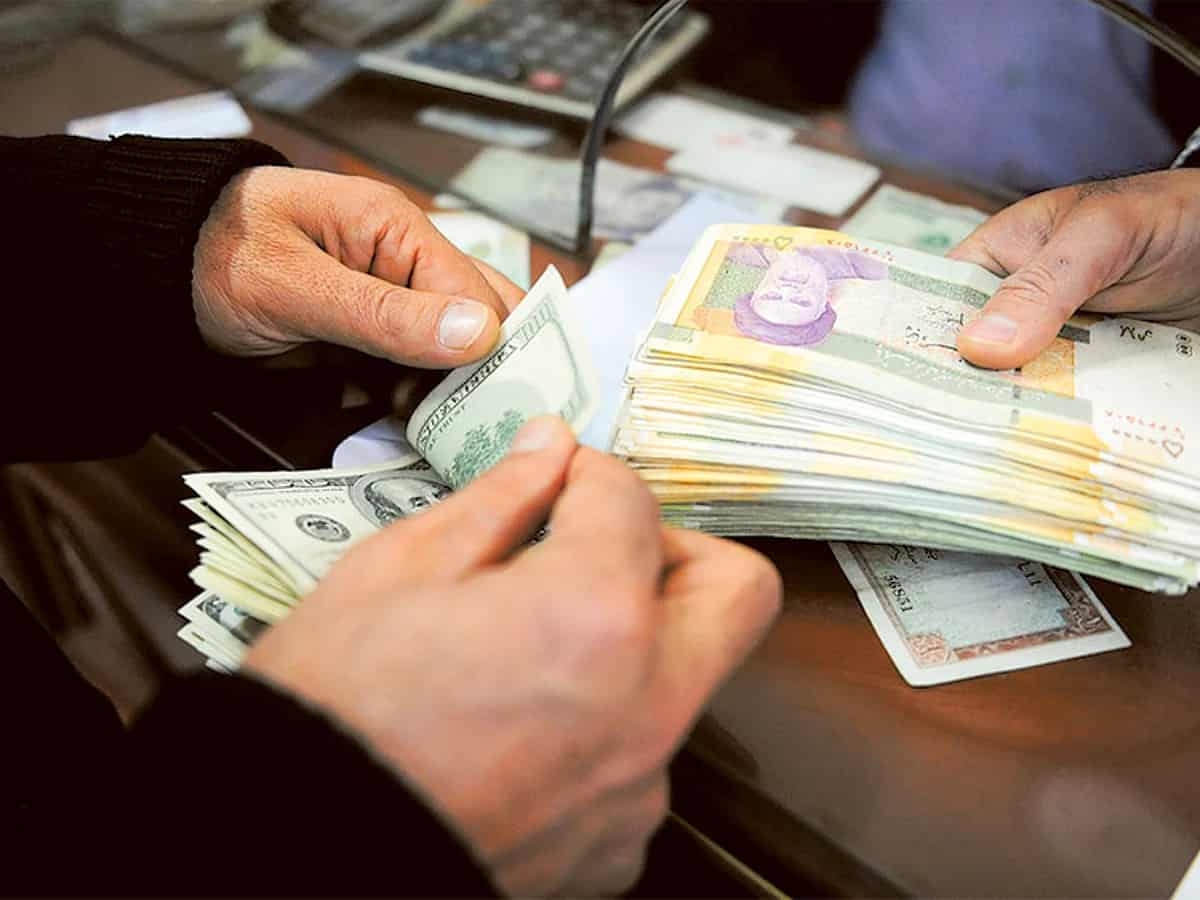
Iran's currency, the rial, has plummeted to a new record low, trading at over 2 million to the U.S. dollar on open markets. This sharp depreciation comes as the United States prepares to announce further extensive sanctions, which officials have described as an "economic D-Day," aimed at increasing pressure on the Iranian economy.
The rial's value has been steadily declining, exacerbated by double-digit inflation, negative economic growth, and the ongoing conflict in the region. The currency had already been under pressure before recent escalations, but has hit new lows as the economic toll mounts.
The latest crash occurred after a 60-day memorandum window between the U.S. and Iran expired without progress on Tehran's nuclear program or sanctions relief. Instead, U.S. pressure has intensified with the reimposition of a naval blockade and the rescission of oil sanctions waivers.
Iran has responded by threatening to keep the Strait of Hormuz closed until the U.S. lifts its blockade, removes oil sanctions, and releases frozen assets. The weaker rial is increasing the cost of imported goods, including food and medicine, and is accelerating demand for foreign currency as a hedge against inflation and further depreciation.
Analysts note that the rial's recovery depends on Iran's access to foreign currency, such as oil revenue and frozen assets, and any shifts in diplomatic relations with the United States. Without a clear path toward sanctions relief or improved foreign-exchange inflows, the currency is expected to remain vulnerable.