All NewsEducationTVBrokers
Equities & FundsCrypto & Digital AssetsAI & TechnologyBusiness & CorporateUS Politics & PolicyGeopolitics & Global RiskMacro, Rates & FXCommodities & EnergyEuropean Politics & MarketsAsia-PacificReal Estate & Property
All NewsHome
← Back to Geopolitics & Global Risk

Iran's chief negotiator says US is a source of regional insecurity

Created at 2 Sep · 4:06 PM1 source↑ Market-relevant
IN SHORT

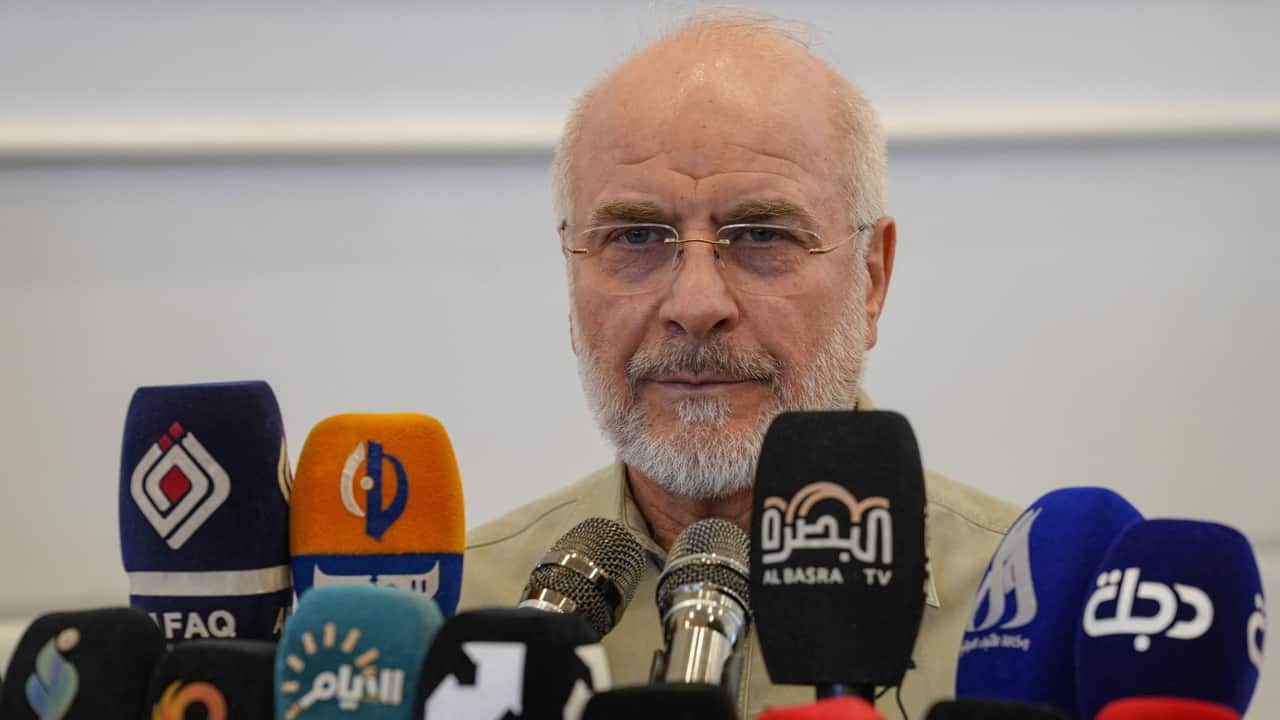
Iran's Parliament Speaker Mohammad Bagher Ghalibaf stated that the U.S. is a "source of regional insecurity" and that if Iran cannot safely export its oil, no other Gulf state will be allowed to do so either. He also warned that regional infrastructure would not be safe if Iran's security is not guaranteed.
Key Numbers

Feb. 28, 2026start date of major combat operations
June 2026negotiations began
August 23, 2026Trump announced "MOST CRUSHING ECONOMIC OPERATION EVER TAKEN"

Who's Involved

Mohammad Bagher Ghalibaf
Iran's Parliament Speaker and chief negotiator
Donald Trump
U.S. President
Mohsen Rezaee
Secretary of Iran's Supreme National Security Council
Scott Bessent
Treasury Secretary
Iran's chief negotiator says US is a source of regional insecurity

↳ Why This Matters

Iran's threats to disrupt oil exports from the Strait of Hormuz, a critical global energy chokepoint, could significantly impact global energy markets and international relations, particularly given the ongoing conflict and economic sanctions.

Key facts

  • Iran's Parliament Speaker Mohammad Bagher Ghalibaf stated that the U.S. is a "source of regional insecurity."
  • Ghalibaf issued an ultimatum to Gulf neighbors: either all export oil freely or none will.
  • He warned that regional infrastructure would not be safe if Iran's security is not guaranteed.
  • Ghalibaf called on the U.S. to honor commitments made in a June memorandum of understanding.
  • President Donald Trump previously vowed the "MOST CRUSHING ECONOMIC OPERATION EVER TAKEN" against Iran.
  • Iran's Parliament Speaker Mohammad Bagher Ghalibaf declared that the United States is a "source of regional insecurity" and issued a stark ultimatum to Gulf neighbors: either all countries export their oil freely, or none will. Ghalibaf, who is also Iran's chief negotiator, warned that the Strait of Hormuz will not return to its pre-war status without a U.S. withdrawal and that regional infrastructure will not be safe if Iran's security is not guaranteed.

    These statements come amid ongoing tensions and exchanges of strikes between the U.S. and Iran, with the Strait of Hormuz serving as a primary flashpoint. President Donald Trump had previously announced "major combat operations" against Iran and vowed the "MOST CRUSHING ECONOMIC OPERATION EVER TAKEN." Negotiations between the U.S. and Iran began in June 2026, aiming for a war-ending deal based on a signed memorandum of understanding, but strikes have continued.

    Mohsen Rezaee, secretary of Iran's Supreme National Security Council, stated that Iran would not export "a single drop of oil" if the U.S. continued its "economic war." He also warned that any country supporting the U.S. economic war would be considered an act of war. The Persian Gulf Strait Authority (PGSA) also indicated that vessels violating protocols for the Strait of Hormuz would face restrictions.

    Ghalibaf's remarks also challenged the U.S. security architecture in the Gulf, arguing that American military presence offers no real security and that regional countries must establish an independent security order. This comes as Treasury Secretary Scott Bessent's "Operation Economic Outcast" targets Iran's financial lifelines, with Gulf states facing consequences for continuing economic ties with Tehran. The UAE has halted all trade and financial transactions with Iran, while Saudi Arabia, Qatar, and Kuwait have condemned Iranian attacks.

    Frequently asked questions

    The Strait of Hormuz is a vital chokepoint for global oil transportation, with a significant portion of the world's oil supply passing through it.

    Treasury Secretary Scott Bessent's operation targets Iran's financial lifelines, warning countries that continue economic ties with Iran will face severe consequences.

    Negotiations were based on a memorandum of understanding signed by both countries in June 2026, aiming for a war-ending deal.

    What Happens Next

    01The U.S. and Iran are continuing negotiations for a potential war-ending deal.
    02The Strait of Hormuz remains a flashpoint for continued U.S.-Iran exchanges.
    03Gulf states are under pressure from the U.S. to comply with financial sanctions against Iran.

    How It Developed

    President Donald Trump announced "major combat operations" against Iran on Feb. 28, 2026.
    Delegations from the U.S. and Iran entered negotiations in June 2026 aimed at a war-ending deal based on a memorandum of understanding.
    Iran's Parliament Speaker Mohammad Bagher Ghalibaf stated that the U.S. is a "source of regional insecurity."
    Ghalibaf also declared that if Iran cannot safely export its oil, no other Gulf state will be allowed to do so either.
    Ghalibaf warned that if Iran's security is not guaranteed, no infrastructure in the region will be safe.

    Sources

    T1
    US a ‘source of regional insecurity’, Iran’s chief negotiator saysMiddle East Eye
    T2
    Iran security chief threatens neighbors against joining U.S. economic efforts - Los Angeles Timeslatimes.com
    T2
    Iran officials push back against Trump's 'economic D-Day ...abcnews.com
    T2
    Ghalibaf Warns Gulf States: Either All Export Oil Freely or None Will - Iraneuropesays.com

    Related Stories

    Iran warns of 'extensive' response to US attacks, targets regional facilities
    2 Sep · 1:26 AM
    Trump denies seeking Iran talks, floats renaming Strait of Hormuz
    1 Sep · 5:52 PM
    Iran secures SCO backing against potential US strikes
    2 Sep · 11:31 AM
    Trump aides push to keep Iran conflict quiet before elections
    2 Sep · 10:06 AM
    US warns Middle East travelers of potential disruptions amid Iran tensions
    1 Sep · 5:46 PM